Carb cravings are something almost everyone experiences - but for many individuals, these cravings feel constant, overwhelming, and hard to control.
They often show up late in the afternoon, after dinner, or right before bed. And no matter how much willpower you try to use, the desire for bread, pasta, sugar, or crunchy snacks feels stronger than logic.
If this sounds familiar, you’re not alone - and more importantly, there’s a reason this happens.
Carb cravings are not a lack of discipline. They’re signals. Your body is trying to communicate something about your hormones, stress levels, sleep quality, or metabolic health.
Once you understand the biology behind these cravings, you can take back control of your eating habits and support your weight loss journey in a healthier, more sustainable way.
The Most Common Reasons You Crave Carbs
Carb cravings don’t come from nowhere. From fluctuating hormones to unstable blood sugar, several mechanisms drive your brain to seek fast energy. Understanding these causes is the key to breaking the cycle.
Below is a complete breakdown of the most common reasons your body is begging for carbs - and how each one works.
1. Blood Sugar Instability
This is one of the biggest, most overlooked reasons behind carb cravings. When your blood sugar rises and falls rapidly throughout the day, your brain urgently seeks carbohydrates to bring energy levels back up.
How It Happens
When you skip meals, eat low-protein breakfasts, rely heavily on caffeine, consume refined carbs or sugary snacks, or go too long without eating, your blood sugar spikes quickly - then crashes just as fast.
During that crash, your body sends out strong hunger signals. And the fastest way to get blood sugar back up? Carbs.
What It Feels Like
- Sudden hunger
- Irritability (“hangry” feeling)
- Dizziness or shakiness
- Intense desire for sugar or bread
This isn’t psychological. It’s biochemical. Your brain needs glucose, and when levels drop suddenly, willpower becomes nearly irrelevant.
Why It Matters for Weight Loss
When blood sugar is unstable, the body stores more fat and has a harder time using stored fat for energy.
Stabilizing meals is one of the most effective weight loss tips - and one of the simplest ways to reduce cravings.
2. High Cortisol & Chronic Stress

Stress is a powerful driver of carb cravings. Cortisol, your stress hormone, increases appetite and pushes your body to prefer foods that are:
- High in sugar
- High in refined carbs
- High in calories
Why? Because these foods provide quick energy during perceived “danger.”
The Cortisol–Carb Cycle
When cortisol rises:
- Appetite increases
- The brain becomes more sensitive to high-reward foods
- Insulin rises, which increases fat storage
- Cravings intensify, especially later in the day
Over time, chronic stress leads to emotional eating, nighttime snacking, and stubborn abdominal fat.
Signs Your Cortisol Is Driving Your Cravings
- You crave carbs most in the afternoon or evening
- You wake up tired despite sleeping 7–9 hours
- You feel wired-but-tired at night
- You get cravings when you're anxious or overwhelmed
Cortisol also interferes with sleep, which further increases next-day cravings. This is why balancing your stress response is one of the most important steps in controlling carb cravings.
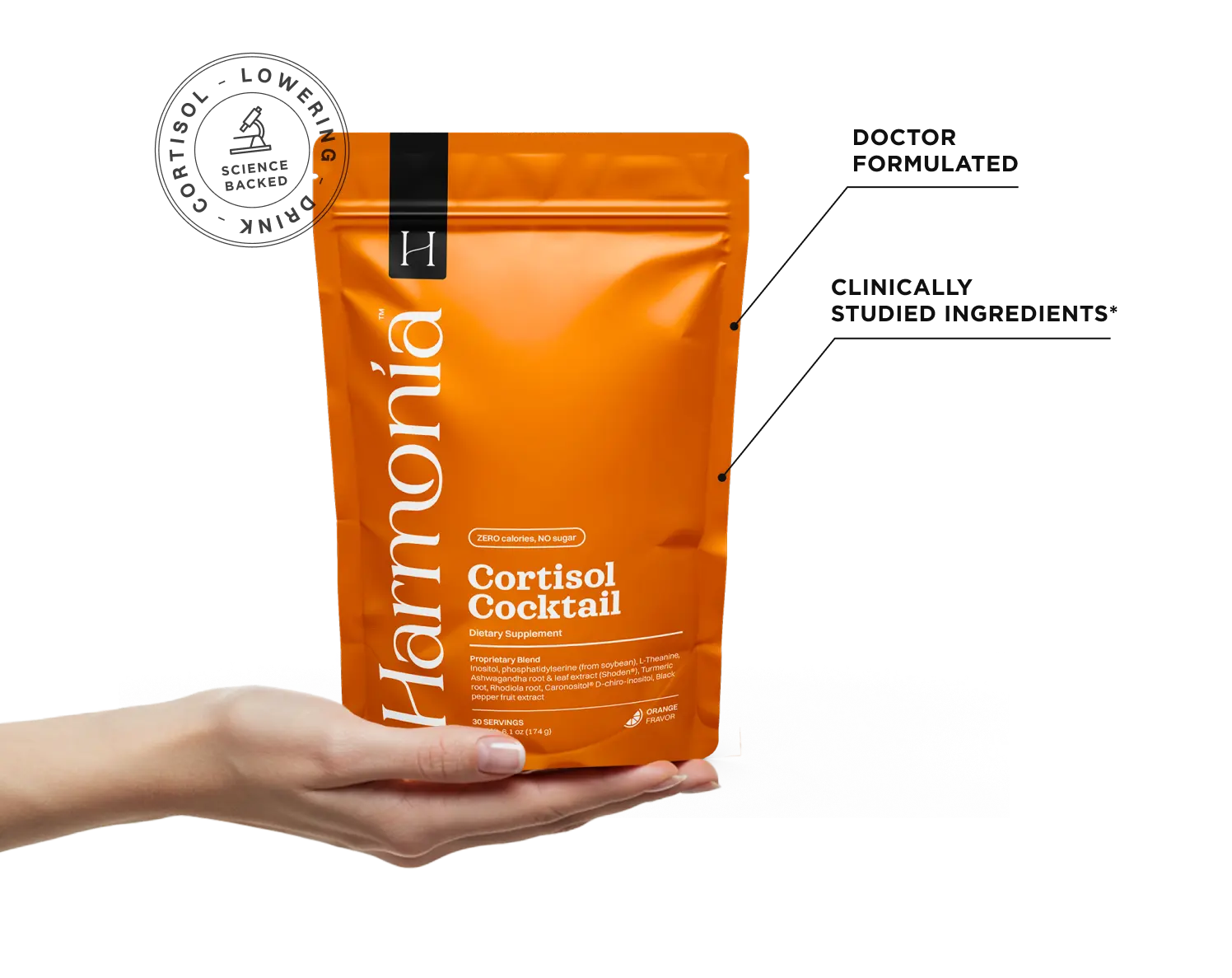
Harmonia was designed to support this process by helping regulate cortisol levels and calm the stress response using a blend of researched ingredients such as ashwagandha, L-theanine, rhodiola, phosphatidylserine, and inositols - nutrients shown to support stress resilience, emotional balance, and reduced stress-driven cravings.
3. Poor Sleep and Circadian Rhythm Disruption
If you wake up tired, toss and turn at night, or get fewer than 7 hours of sleep, your appetite hormones shift dramatically.
What Sleep Deprivation Does
- Increases ghrelin, your hunger hormone
- Decreases leptin, your fullness hormone
- Makes the brain prefer quick energy sources (carbs)
- Weakens decision-making and impulse control
You’re not imagining it - after a poor night of sleep, your cravings intensify. And your ability to resist them decreases.
4. Hormonal Imbalances in Women
Carb cravings often spike during certain phases of the menstrual cycle, menopause transition, PCOS, postpartum, or thyroid imbalance.
PMS & the Luteal Phase
Progesterone rises, serotonin drops, and energy needs increase. Carbs temporarily boost serotonin, which is why the cravings feel emotional.
Menopause
Lower estrogen makes the body more insulin-resistant, increases cortisol, and disrupts sleep - all major drivers of carb cravings.
Insulin resistance and unstable blood sugar create persistent carb dependency.
Thyroid Issues
Low thyroid (hypothyroidism) slows metabolism, increases fatigue, and makes the brain crave quick energy.
These cravings aren't “in your head” - they're perfectly predictable biological responses.
5. Emotional Eating Patterns
Carbs are comforting. They trigger dopamine and serotonin, the same neurotransmitters associated with calmness, reward, and relaxation.
Many individuals crave carbs when feeling stressed, overwhelmed, bored, lonely, and emotionally drained.
This pattern becomes a learned coping mechanism, not a food problem.
6. Not Eating Enough
If you're dieting heavily, undereating during the day, or skipping breakfast, cravings will skyrocket.
Low-calorie diets raise cortisol, slow metabolism, and make high-calorie foods more appealing. This is why restrictive dieting almost always backfires.
How to Stop Carb Cravings Naturally: Evidence-Based Solutions

Reducing carb cravings isn’t about restriction - it’s about balancing the hormones and systems that drive hunger.
Below are the most effective strategies proven to reduce cravings long-term, broken down with actionable steps.
1. Balance Blood Sugar (The Foundation)
Stabilizing your blood sugar eliminates the biggest root cause of carb cravings.
Use the PFF Method (Protein–Fat–Fiber)
Build meals with:
- 20–30g protein
- Healthy fat (avocado, olive oil, nuts)
- Fiber (vegetables, chia seeds, whole grains)
This slows digestion, reduces glucose spikes, and keeps hunger stable for hours.
Eat Within 1–2 Hours of Waking
Skipping breakfast usually leads to stronger carb cravings later in the day.
Avoid Eating Carbs Alone
Always pair carbs with protein or fat to reduce blood sugar spikes.
Snack Smart
Choose snacks that extend energy:
- Greek yogurt
- Apple + almond butter
- Hummus + veggies
2. Prioritize Stress Reduction (Control Cortisol)
You cannot fix cravings if cortisol is chronically elevated.
Highly Effective Stress Regulators:
- 5 minutes of breathwork
- 10-minute walk after meals
- meditation or mindfulness breaks
- sunlight in the morning
- adaptogens (ashwagandha, rhodiola)
- L-theanine for calm focus
These practices improve cortisol regulation, which reduces emotional eating, lowers nighttime cravings, improves belly fat loss, and enhances sleep quality

3. Improve Sleep Quality
Better sleep reduces cravings almost immediately.
To Optimize Sleep:
- Keep the bedroom coo
- Avoid heavy meals late at night
- Limit blue light before bed
- Take a warm shower or bath
- Use magnesium or calming nutrients
- Maintain consistent sleep/wake times
Even small improvements in sleep can dramatically reduce next-day hunger and carb seeking.
4. Support Hormone Balance
Hormonal cravings require hormonal solutions.
How to Support Hormones Naturally:
- Include omega-3s (salmon, chia seeds)
- Ensure adequate magnesium (greens, nuts, supplements)
- Reduce caffeine if prone to anxiety or PMS
- Eat consistently throughout the day
- Manage stress (critical for progesterone and estrogen balance)
For women with PCOS or insulin resistance, the inositol family is clinically shown to improve insulin function, reduce cravings, and stabilize energy.
5. Fix Emotional Eating Patterns

Emotional eating often happens automatically, without awareness. Reprogramming this pattern starts with creating space between impulse and action.
The 60-Second Pause
Before eating, ask:
- “Am I hungry?”
- “What emotion am I feeling?”
- “What do I really need right now?”
This simple pause increases mindfulness and reduces impulsive eating.
Alternative soothing methods:
- Journaling
- Walking
- Calling a friend
- Stretching
- Drinking herbal tea
- Listening to calming music
When emotional needs are met, cravings naturally decrease.
6. Eat Enough Food Throughout the Day
Undereating is one of the most powerful triggers of carb cravings.
Signs you may not be eating enough:
- Intense nighttime cravings
- Fatigue
- Irritability
- Feeling cold
- Brain fog
- Waking hungry at night
Fix this by eating regular meals, ensuring protein in every meal, and adding nutrient-dense snacks if needed. Your metabolism - and your cravings - will stabilize.
When Carb Cravings Signal Something More Serious
Sometimes cravings are symptoms of deeper metabolic or hormonal issues. Seek medical guidance if cravings appear alongside:
- Chronic fatigue
- Hair loss
- Irregular periods
- Sudden weight gain
- Dark patches of skin (insulin resistance sign)
- Constant thirst
- Severe mood swings
These may indicate thyroid disorders, PCOS, prediabetes, or cortisol dysfunction.
Conclusion

Carb cravings aren’t a character flaw or a lack of self-control. They are meaningful, biological signals.
Once you understand why you crave carbs - whether due to stress, hormones, sleep, or blood sugar - you gain the power to address the root cause rather than fighting against your body.
Managing cravings becomes easier when you stabilize blood sugar, support your sleep, lower cortisol, and create gentle daily habits that promote hormonal balance. Small, sustainable changes lead to long-term results.
For many individuals, supporting cortisol and hormone balance is one of the most effective steps toward calmer cravings, better mood, and improved energy.
Harmonia was developed specifically for this purpose, helping regulate cortisol, improve sleep, support insulin function, and reduce stress-driven or hormonal cravings.
Take the Harmonia Quiz to discover which hormonal and stress patterns may be driving your carb cravings - and get a personalized plan to reduce them naturally and sustainably.
References
- Benton, D., Bloxham, A., Gaylor, C., Brennan, A., & Young, H. A. (2022). Carbohydrate and sleep: An evaluation of putative mechanisms. Frontiers in Nutrition, 9, 933898. Link.
- Ventura, T., Santander, J., Torres, R., & Contreras, A. M. (2014). Neurobiologic basis of craving for carbohydrates. Nutrition, 30(3), 252-256. Link.