Hormones influence nearly every major system in the female body. From metabolism and mood to sleep quality and reproductive health, these chemical messengers act as regulators that keep internal processes synchronized.
When that communication becomes disrupted, the body often sends signals long before a diagnosis is made.
Understanding hormonal imbalance symptoms in females is the first step toward recognizing when something is off.
What Is a Hormonal Imbalance in Women?
A hormonal imbalance occurs when there is too much or too little of a specific hormone circulating in the bloodstream. Even small fluctuations can trigger noticeable changes because hormones operate within tightly regulated feedback systems. Estrogen, progesterone, cortisol, insulin, thyroid hormones, and androgens all interact in complex ways.
In women, hormonal balance shifts naturally across life stages.
- Puberty initiates menstrual cycling
- Reproductive years require rhythmic coordination between estrogen and progesterone
- Pregnancy introduces dramatic hormonal increases
- Perimenopause and menopause involve gradual estrogen decline
These transitions are normal. However, when stress or metabolic disruption interferes with regulation, symptoms may intensify.
One of the most overlooked contributors is cortisol, the body’s primary stress hormone. Elevated cortisol can disrupt progesterone production, alter insulin sensitivity, and interfere with thyroid signaling.
Over time, this stress-driven cascade contributes to irregular cycles, mood instability, sleep disturbance, and weight changes.
Hormonal imbalance in women is rarely isolated to a single hormone. It is often a systemic issue involving communication breakdown between the brain, ovaries, adrenal glands, thyroid, and metabolic pathways.
Most Common Hormonal Imbalance Symptoms in Females

Irregular Menstrual Cycles
The menstrual cycle is one of the clearest indicators of hormonal health. When estrogen and progesterone are balanced, cycles typically follow a predictable rhythm.
Irregular periods, missed cycles, unusually heavy bleeding, or spotting between periods may indicate disruption in ovulation or progesterone production.
Chronic stress can suppress ovulation by signaling the body that conditions are not optimal for reproduction. This may result in longer cycles or skipped periods. Conversely, estrogen dominance can contribute to heavy or painful bleeding.
Conditions such as:
- PCOS
- Thyroid dysfunction
- Perimenopause
can also alter cycle length and flow.
Tracking patterns over several months often reveals trends that single-cycle observations miss.
Mood Swings and Anxiety
Fluctuating hormones significantly influence neurotransmitters like serotonin and GABA. When estrogen and progesterone levels shift abruptly, emotional regulation can become more difficult. Many women report increased irritability, anxiety, or low mood in the days before menstruation.
Chronic high cortisol intensifies these effects. Persistent stress keeps the nervous system in a heightened state, amplifying emotional sensitivity and reducing resilience. Over time, this may present as ongoing anxiety rather than cyclical mood changes.
Women experiencing hormonal imbalance often describe feeling “on edge” without a clear trigger. Supporting nervous system regulation is essential for restoring emotional stability.
Chronic Fatigue and Low Energy
Persistent fatigue is one of the most reported hormonal imbalance symptoms in females. When sleep is disrupted by cortisol spikes or when thyroid hormones are underactive, energy production declines.
Even women who sleep seven to nine hours may wake feeling unrefreshed. This often reflects impaired cortisol rhythm rather than insufficient sleep duration. Blood sugar instability can also create afternoon crashes and mental fog.
Energy patterns provide valuable clues. Stable hormonal balance in women typically supports steady energy throughout the day, without dramatic highs and lows.
Unexplained Weight Gain
Hormonal shifts can alter how the body stores fat. Elevated cortisol encourages fat storage around the abdomen, while insulin resistance makes weight management more challenging. Estrogen fluctuations during perimenopause may also shift fat distribution.
Weight gain related to hormonal imbalance often occurs despite consistent eating and exercise habits. Increased cravings, particularly for carbohydrates, may reflect underlying insulin dysregulation.
Understanding that metabolic changes may be hormone-driven can reduce frustration and guide more targeted strategies.
Sleep Disruptions
Sleep and hormones are deeply interconnected. Estrogen influences serotonin production, while progesterone has calming, sleep-promoting properties. When these decline or fluctuate, falling and staying asleep becomes more difficult.
Nighttime awakenings between 2–4 AM are frequently linked to cortisol imbalance. The body may experience premature cortisol release, interrupting deep sleep stages. Over time, fragmented sleep worsens mood, metabolism, and cycle irregularities.
Restorative sleep is foundational for achieving natural hormonal balance. Without it, other interventions often produce limited results.
Skin and Hair Changes

Hormonal shifts often manifest through visible changes. Adult acne may indicate androgen excess or estrogen-progesterone imbalance. Hair thinning can be associated with thyroid dysfunction or elevated stress hormones.
Dry skin, brittle hair, or increased facial hair growth may signal deeper endocrine changes. In conditions such as PCOS, elevated androgens contribute to both acne and hirsutism.
Skin and hair are often early indicators of internal imbalance and should not be dismissed as purely cosmetic concerns.
Low Libido and Vaginal Dryness
Sexual health is closely tied to hormonal equilibrium. Estrogen supports vaginal tissue elasticity and lubrication, while testosterone contributes to libido. Imbalance in either direction may reduce sexual desire or cause discomfort.
Chronic stress further suppresses reproductive hormones by diverting resources toward survival pathways. When cortisol remains elevated, reproductive signaling becomes a lower biological priority.
Addressing stress alongside hormonal support often improves both libido and comfort.
Less Obvious Symptoms of Hormonal Imbalance in Females
Hormonal imbalance does not always appear through obvious reproductive changes. Because hormones regulate digestion, metabolism, temperature, and brain function, disruptions can show up in subtle ways that are easy to overlook.
When these symptoms persist or appear together, they may point to deeper imbalance. These are some of the less obvious symptoms of hormonal imbalance in females:
- Digestive issues (bloating, constipation, sluggish digestion)
- Blood sugar swings
- Intense sugar cravings
- Irritability linked to blood sugar fluctuations
- Temperature sensitivity (especially feeling unusually cold)
- Fluid retention
- Mild joint discomfort
- Difficulty concentrating
- Memory lapses or brain fog
Recognizing these subtler signs helps expand awareness beyond menstrual health alone.
What Causes Hormonal Imbalance in Women?
Chronic Stress and Elevated Cortisol
Persistent stress is one of the most significant disruptors of hormonal balance in women. Cortisol competes with reproductive hormones for shared building blocks. When stress is prolonged, progesterone production may decline, contributing to cycle irregularities and mood shifts.
Elevated cortisol also:
- Interferes with insulin sensitivity
- Increases abdominal fat storage
- Disrupts sleep
Over time, this creates a feedback loop where poor sleep further elevates stress hormones. Supporting cortisol regulation is often foundational to restoring hormonal stability.
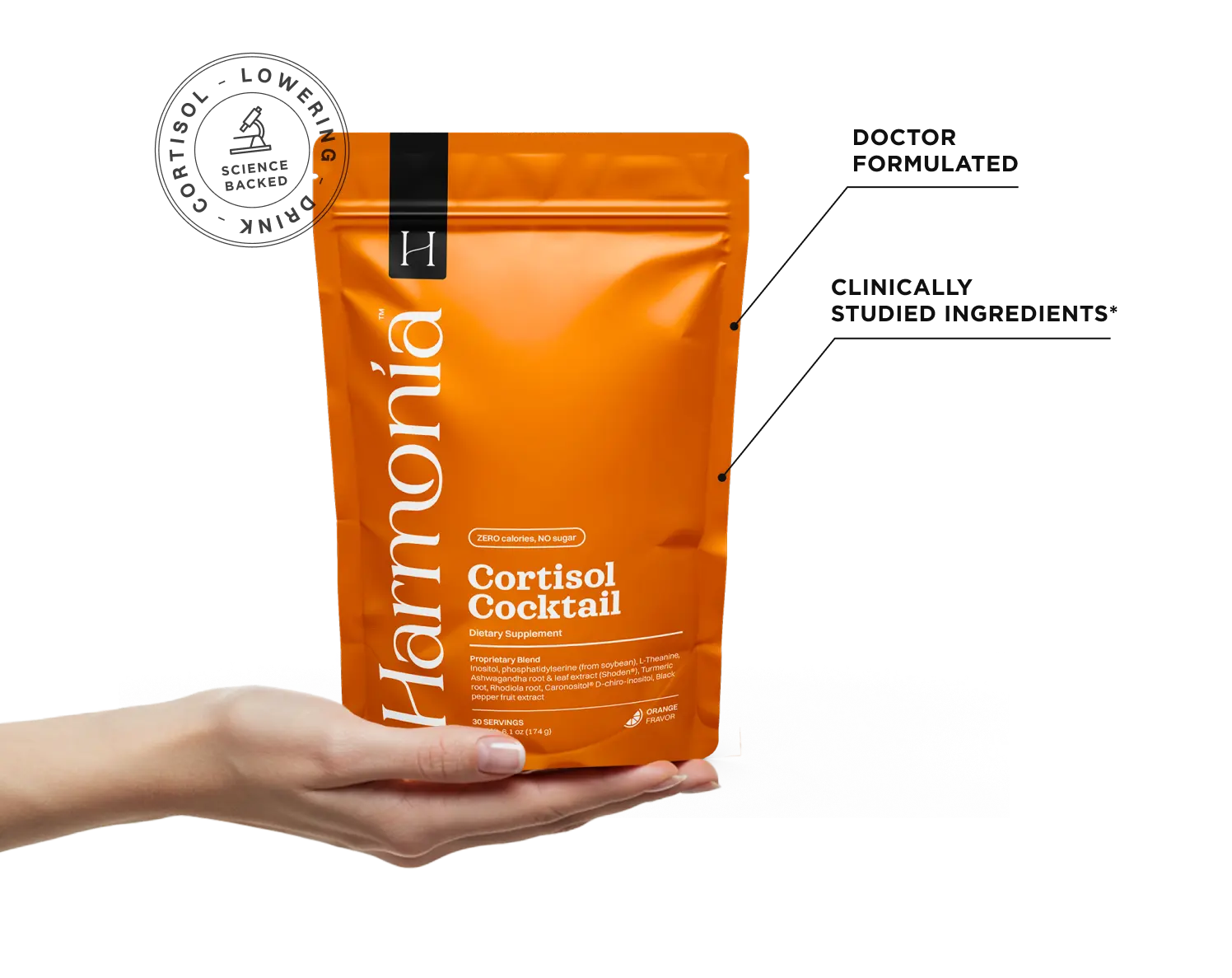
Targeted formulations like Harmonia, which combine adaptogens, inositols, and key micronutrients, are designed to help calm the stress response and support the body’s return to a more balanced hormonal rhythm.
Insulin Resistance and Blood Sugar Dysregulation
Insulin is a hormone responsible for transporting glucose into cells. When cells become resistant to insulin, blood sugar remains elevated, triggering increased insulin production. This pattern is common in PCOS and contributes to androgen excess.
Cravings, energy crashes, and difficulty losing weight are common signs of insulin dysregulation. Stabilizing blood sugar supports both metabolic and reproductive health.
Balancing insulin is essential for maintaining natural hormonal balance.
Thyroid Dysfunction
The thyroid regulates metabolism, body temperature, and energy production.
- Hypothyroidism can slow metabolic processes, leading to fatigue, weight gain, and hair thinning
- Hyperthyroidism may cause anxiety, rapid heartbeat, and unintended weight loss.
Thyroid hormones interact closely with reproductive hormones. Even mild dysfunction can disrupt menstrual regularity.
Comprehensive evaluation is important when symptoms persist.
Perimenopause and Menopause

Perimenopause typically begins in the 40s but may start earlier. During this transition, estrogen and progesterone fluctuate unpredictably. Symptoms often include irregular cycles, night sweats, mood changes, and sleep disturbances.
Menopause marks the end of menstrual cycles and is characterized by sustained estrogen decline. Supporting the body through this transition can ease symptom severity.
Hormonal balance in women during midlife requires both stress support and metabolic stability.
Nutrient Deficiencies
Magnesium, Vitamin D, B vitamins, and chromium play crucial roles in hormone synthesis and regulation. Deficiencies may exacerbate fatigue, mood instability, and insulin resistance.
Chronic stress depletes key nutrients, creating additional imbalance. Replenishing foundational nutrients supports long-term endocrine health.
When Hormonal Symptoms May Indicate a Medical Condition
While many hormonal fluctuations are manageable with lifestyle support, certain patterns should not be ignored. When symptoms are persistent, worsening, or significantly interfering with daily life, professional evaluation becomes important.
Hormonal imbalance symptoms in females can sometimes reflect underlying conditions such as PCOS, thyroid disorders, or other endocrine dysfunctions.
Symptoms that may indicate the need for medical assessment include:
- Persistent irregular or absent menstrual cycles
- Heavy or unusually painful periods
- Ongoing fatigue combined with cold sensitivity
- Unexplained weight gain or rapid weight loss
- Severe or worsening mood changes
- Noticeable hair thinning or excessive facial hair growth
- Chronic sleep disruption
- Difficulty managing blood sugar or intense cravings
Hormonal imbalance symptoms are common, but they should not be normalized when they significantly impact quality of life. Early evaluation and comprehensive testing can help identify root causes and guide appropriate, individualized care.

How Harmonia Supports Hormonal Balance in Women
Chronic stress often acts as the silent driver behind many hormonal imbalance symptoms in females. Harmonia is formulated to address this foundational factor by supporting cortisol regulation and nervous system balance.
Its blend includes ingredients such as Ashwagandha, Rhodiola Rosea, and L-Theanine, which are researched for their ability to promote calm and resilience. Myo-Inositol and D-Chiro Inositol support insulin sensitivity, while Magnesium and Vitamin D contribute to mood and sleep quality.
By targeting stress-related pathways, Harmonia helps support women experiencing symptoms linked to PCOS, menopause, thyroid shifts, and emotional eating patterns. When cortisol levels stabilize, the body is better positioned to restore natural hormonal balance.
Supporting hormonal balance requires consistency. A daily routine that includes stress management, nutrient support, and adequate sleep can gradually improve energy, mood, and cycle regularity.
Conclusion
Hormonal imbalance symptoms in females often develop gradually but can significantly affect daily life. Irregular cycles, mood swings, fatigue, sleep disruption, and weight changes are not simply inconveniences - they are signals.
Restoring hormonal balance in women begins with recognizing patterns and addressing root contributors such as chronic stress, insulin resistance, and nutrient depletion. Supporting cortisol regulation is frequently a critical step in this process.
If you recognize these symptoms in your own life, it may be time to explore targeted support.
Take the Harmonia quiz to discover whether stress-related hormone imbalance could be contributing to your symptoms and learn how a plant-based cortisol support formula may help you move toward steadier energy, improved sleep, and greater hormonal stability.
References
- Gupta, P. D. (2022). Effects of Low Estrogens: Vaginal Atrophy. J. Obstetrics Gynecology and Reproductive Sciences, 6(1). Link.
- Sunitha, P. (2014). Hormonal Imbalance And Its Effect On Menstrual Irregularities. Link.