
Stress has become one of the most significant disruptors of women’s health. From irregular cycles and PCOS to menopause-related mood shifts and persistent fatigue, many symptoms trace back to one underlying driver: chronic stress and cortisol imbalance.
That’s where interest in rhodiola rosea benefits has surged.
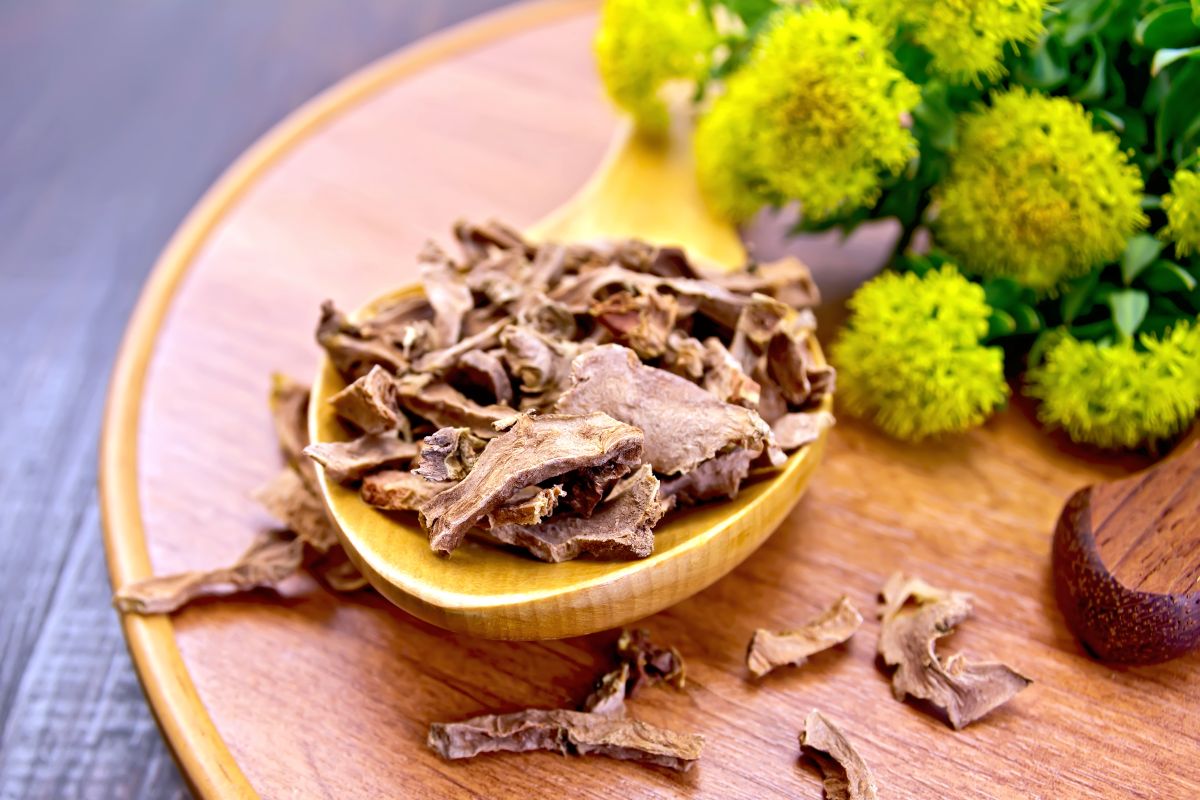
Rhodiola rosea is an adaptogenic herb traditionally used to enhance resilience to physical and emotional stress. Modern research now supports many of its traditional uses, particularly in the areas of stress regulation, mood balance, and energy support.
In this guide, we’ll explore the most important rhodiola rosea benefits for women and how it works in the body.
What does rhodiola rosea do?
Rhodiola rosea modulates the hypothalamic-pituitary-adrenal (HPA) axis, the system that controls cortisol release under stress. At the cellular level, it supports mitochondrial energy production and reduces oxidative stress. In clinical trials, this translates to lower perceived stress and reduced mental fatigue, with secondary improvements in physical endurance.
What Is Rhodiola Rosea?
Rhodiola rosea is a flowering plant that grows in cold, mountainous regions of Europe and Asia. It has been used for centuries in traditional medicine systems to improve stamina, reduce fatigue, and enhance mental clarity during stressful conditions.
Classified as an adaptogen, rhodiola helps the body adapt to stress rather than simply stimulating or sedating it. Adaptogens work by regulating the hypothalamic-pituitary-adrenal (HPA) axis - the system responsible for managing your stress response and cortisol production.
The primary active compounds in rhodiola rosea are rosavins and salidroside. These compounds are believed to modulate stress signaling pathways, protect cells from oxidative damage, and support neurotransmitter balance.
Unlike stimulants, rhodiola does not force energy production. Instead, it helps the body become more efficient at responding to stressors.
Because stress is closely linked to hormonal imbalance in women, rhodiola rosea benefits extend beyond mood - influencing energy, cycles, cravings, and sleep.
How Rhodiola Rosea Works in the Body

Supports the Stress Response (HPA Axis)
One of the most researched rhodiola rosea benefits is its ability to regulate the body’s stress response system. This system, known as the hypothalamic-pituitary-adrenal (HPA) axis, controls the release of cortisol - the primary stress hormone.
When stress becomes chronic, cortisol levels can remain elevated for extended periods, disrupting sleep, metabolism, immune function, and reproductive hormones.
Rhodiola does not block cortisol production. Instead, it helps modulate how much cortisol is released and how the body responds to it. This distinction is important.
Cortisol is not harmful by itself - it is essential for survival. Problems arise when cortisol remains consistently high without adequate recovery time.
By promoting a more balanced cortisol rhythm, rhodiola may help reduce feelings of overwhelm, support steadier energy throughout the day, and protect against the hormonal disruptions often associated with long-term stress.
Influences Neurotransmitters
Beyond its effect on cortisol, rhodiola rosea also supports key neurotransmitters, including:
- Serotonin
- Dopamine
- GABA
These chemical messengers play a central role in regulating mood, motivation, focus, and emotional resilience.
Under chronic stress, dopamine levels may decline, leading to brain fog and reduced drive. Fluctuations in serotonin can contribute to irritability and mood instability, while low GABA activity may increase feelings of anxiety or tension.
Rhodiola appears to support healthy neurotransmitter balance, which helps explain its effects on mental clarity and emotional steadiness.
Because stress affects both hormones and brain chemistry, this multi-system influence makes rhodiola especially valuable for women experiencing emotional shifts related to cortisol imbalance, PCOS, or menopause.
Enhances Cellular Energy Production
Stress-related fatigue is not always caused by poor sleep alone. Elevated cortisol over time can impair mitochondrial function - and mitochondria are responsible for producing the energy your cells need to function efficiently.
Research suggests that rhodiola may enhance mitochondrial performance and reduce oxidative stress at the cellular level. This often translates into more stable, sustained energy without overstimulation. Many women report fewer afternoon crashes and improved endurance during both mental and physical tasks.
Unlike caffeine, which temporarily forces stimulation and may spike cortisol further, rhodiola works by improving the body’s natural energy efficiency. The result is a steadier, more sustainable form of vitality rather than a short-lived boost followed by exhaustion.
9 Evidence-Based Rhodiola Rosea Benefits for Women
1. Helps Lower Stress Levels
Stress reduction is the most widely recognized of all rhodiola rosea benefits. Clinical research shows that rhodiola may improve perceived stress, reduce fatigue, and ease symptoms of burnout - especially in individuals exposed to ongoing mental or physical pressure.
Chronic stress affects nearly every system in the female body. It can:
- Disrupt menstrual cycles
- Alter mood stability
- Slow metabolism
- Interfere with sleep quality
When cortisol remains elevated for extended periods, progesterone levels may decline and estrogen balance can shift.
By improving stress resilience rather than simply masking symptoms, rhodiola helps the body respond more efficiently to stress.
For women balancing demanding careers, family responsibilities, or ongoing health challenges, this improved adaptability can create meaningful changes in daily energy and emotional stability.
2. Supports Healthy Cortisol Balance
Cortisol plays a central role in hormonal health. When levels remain elevated for too long, the effects may include:
- Irregular menstrual cycles
- Increased abdominal fat storage
- Heightened anxiety
- Disrupted sleep patterns
- Midday energy crashes
Rhodiola does not shut down cortisol production. Instead, it helps regulate the stress response so cortisol rises and falls more appropriately throughout the day. A stable daily rhythm supports both morning alertness and restful nighttime sleep.
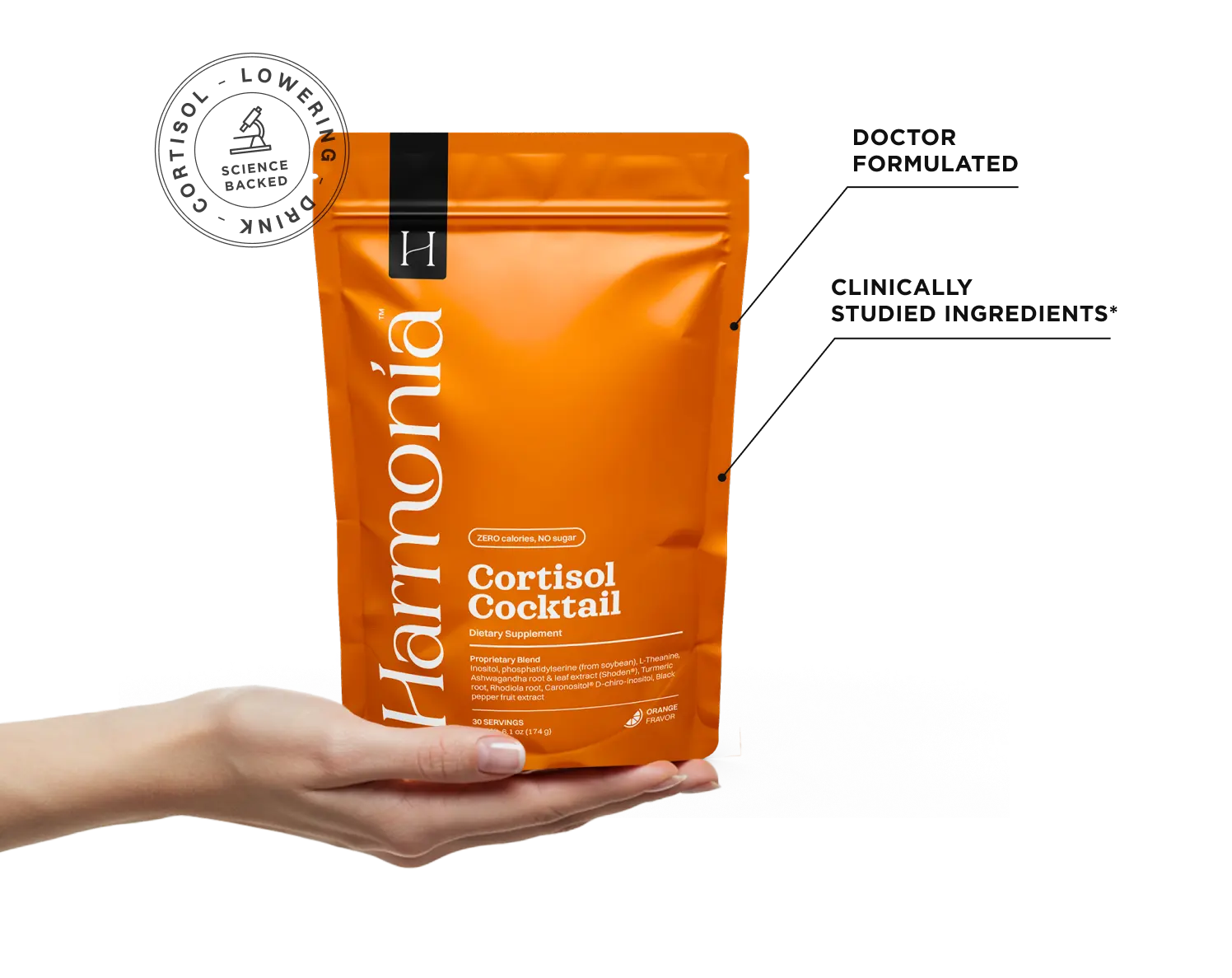
Because cortisol imbalance often involves multiple pathways, rhodiola is frequently combined with complementary nutrients in advanced formulations like Harmonia. This broader approach targets stress hormones, neurotransmitters, and metabolic stability simultaneously.
Because cortisol imbalance involves multiple pathways, rhodiola is frequently paired with complementary adaptogens and nutrients. Harmonia Cortisol Cocktail pairs rhodiola with ashwagandha for cortisol support, L-theanine for neurotransmitter balance under stress, and myo-inositol for the insulin and androgen disruption that often compounds with chronic cortisol elevation.
3. Reduces Anxiety and Emotional Overwhelm

Many women with elevated cortisol describe feeling constantly “on edge.” Rhodiola appears to reduce stress-related anxiety without causing sedation or mental dullness.
Adaptogens work differently from medications that suppress symptoms. Instead of blocking stress signals, they improve the body’s capacity to adapt. This means stressors may still occur, but the internal reaction becomes more balanced and less intense.
Since emotional regulation is closely tied to both cortisol and neurotransmitter health, rhodiola’s dual action may help reduce irritability, mood swings, and emotional reactivity over time.
4. Improves Energy Without Jitters
One of the most appealing rhodiola rosea benefits is its ability to enhance energy without overstimulation. Unlike caffeine, which temporarily spikes cortisol and can worsen long-term stress imbalance, rhodiola supports sustainable energy production.
Its effect on mitochondrial efficiency helps cells generate energy more effectively, reducing oxidative stress and improving stamina. The result is steadier vitality rather than a quick spike followed by a crash.
Women managing PCOS, thyroid imbalance, or chronic stress-related fatigue often seek this type of non-stimulant energy support. While rhodiola is not a cure for underlying conditions, its adaptogenic properties may help improve overall resilience and endurance.
5. Supports Hormonal Balance
Cortisol and reproductive hormones share common building blocks in the body. When stress is prolonged, cortisol production can take priority, leaving fewer resources available for progesterone and estrogen balance.
This hormonal shift may contribute to:
- PMS symptoms
- Cycle irregularities
- Mood fluctuations
- Sleep disturbances
By supporting healthier cortisol patterns, rhodiola indirectly promotes hormonal balance. It does not replace targeted hormone therapy, but it may help reduce the stress-related component of hormonal disruption.
When combined with nutrients such as myo-inositol and magnesium - often found in comprehensive cortisol blends - the synergistic effect may further support hormonal harmony.
6. May Improve Symptoms of PCOS
Polycystic ovary syndrome (PCOS) is strongly associated with insulin resistance and elevated stress hormones. High cortisol can worsen blood sugar instability, increase cravings, and intensify inflammation.
Rhodiola’s stress-modulating effects may help reduce stress-driven metabolic disruption. When cortisol becomes more balanced, blood sugar regulation may also improve indirectly.

7. Supports Menopause-Related Stress
Menopause brings fluctuating estrogen levels, which can amplify stress sensitivity. Mood swings, sleep disturbances, and fatigue often intensify when cortisol regulation is poor.
Rhodiola may help buffer stress reactivity during this transitional phase. By supporting resilience, it can make mood variability and mental fatigue less severe.
While rhodiola does not replace hormone replacement therapy when medically indicated, it may provide supportive relief for the stress-driven aspects of menopause, particularly when paired with broader cortisol-balancing strategies.
The cortisol connection is specific here. Cortisol spikes during perimenopause often amplify the mood shifts and sleep disruption that women attribute solely to estrogen decline, which is why stress-response support becomes more relevant during this period.
8. Improves Focus and Reduces Brain Fog
Brain fog is commonly linked to chronic stress and neurotransmitter imbalance. Rhodiola has been studied for its cognitive-enhancing effects, especially under conditions of mental fatigue.
Reported benefits include:
- Improved mental clarity
- Faster information processing
- Better task focus
- Reduced cognitive exhaustion
Women balancing professional responsibilities, caregiving, and personal health often notice enhanced productivity without the overstimulation that comes from high caffeine intake.
9. Helps Manage Stress-Related Cravings
Cortisol directly influences appetite and cravings, particularly for refined carbohydrates. Elevated stress hormones can increase emotional eating patterns and make cravings feel more urgent.
By supporting healthier stress signaling, rhodiola may reduce the intensity of stress-triggered cravings. When cortisol stabilizes, appetite regulation often becomes more manageable.
When combined with nutrients that support insulin sensitivity and metabolic balance, the effect can be even more pronounced. Addressing cravings at the hormonal level is generally more sustainable than relying solely on willpower.
How Rhodiola Rosea Compares to Other Adaptogens

Adaptogens are often grouped together, but they are not interchangeable. Each herb influences the stress response in slightly different ways. Understanding these differences helps women choose the right support based on their primary concern - whether that’s fatigue, anxiety, hormonal imbalance, or burnout.
While rhodiola rosea is known for improving stress resilience and energy, other adaptogens like ashwagandha and L-theanine focus more on calming the nervous system.
The rhodiola rosea vs ashwagandha comparison covers how they differ in clinical evidence, cortisol effects, timing, and ideal use cases.
The table below highlights how rhodiola rosea compares to other commonly used stress-support ingredients.
Best Time to Take Rhodiola Rosea
Rhodiola is typically taken in the morning or early afternoon due to its mild energizing properties.
Taking it too late may interfere with sleep in sensitive individuals. It can be taken with or without food, though some prefer taking it with meals to reduce digestive discomfort.
Consistency is important. Adaptogens often work best when taken regularly over several weeks.
Are There Any Side Effects of Rhodiola Rosea?
Rhodiola rosea is generally considered well tolerated when used at appropriate doses. Most people experience minimal to no side effects, especially when starting with a moderate amount.
However, as with any adaptogen, individual responses can vary.
Possible Mild Side Effects
In sensitive individuals, rhodiola may occasionally cause:
- Headaches
- Dizziness
- Dry mouth
- Temporary overstimulation (feeling slightly restless or wired)
- Difficulty falling asleep if taken too late in the day
These effects are typically mild and often resolve by adjusting the dosage or timing.
Who Should Use Caution
Rhodiola may not be appropriate for everyone. Extra care is recommended for:
- Women who are pregnant or breastfeeding
- Individuals taking antidepressants or stimulant medications
- Those with bipolar disorder (due to its energizing properties)
- Anyone managing chronic medical conditions without supervision
Consulting a qualified healthcare provider before starting any new supplement is always a smart step.
Two questions come up specifically for this herb. Some research suggests rhodiola may influence thyroid hormone activity, which matters if you take thyroid medication.
At standard doses (200-600mg daily), there is no established evidence of kidney toxicity from rhodiola, but people with existing kidney conditions should confirm safety with their provider before use.
A note on long-term use
Many practitioners recommend cycling rhodiola rather than taking it continuously, typically 3 months on and 1 month off. This comes from traditional herbal medicine practice, not clinical trial data. The available research, which rarely extends past 12 weeks, doesn't show harm from continuous use at standard doses. The goal of cycling is preventing potential habituation over time.
Who May Benefit Most from Rhodiola Rosea?
Women experiencing:
- Chronic stress
- Burnout
- PCOS
- Menopause-related mood shifts
- Brain fog
- Stress-driven cravings
may benefit from incorporating rhodiola as part of a broader strategy.No single herb solves complex hormonal issues.
It’s important to understand that no single herb solves complex hormonal issues. Sustainable improvement often requires supporting stress hormones, sleep, blood sugar, and nutrient status together.
Final Thoughts

Rhodiola rosea has consistent clinical support for stress resilience, fatigue reduction, and HPA axis modulation. The strongest evidence covers daily use over 4–12 weeks, with the clearest benefits in burnout and cognitive fatigue.
Stress physiology rarely responds to a single ingredient, which is why rhodiola is included in Harmonia alongside ashwagandha for cortisol reduction, L-theanine for neurotransmitter balance, and myo-inositol for the insulin and androgen side of chronic stress.
If your symptoms have been pointing toward a disrupted stress-response pattern, you can take the quiz to see whether the Harmonia cortisol cocktail fits where you are.
Frequently asked questions
Does rhodiola rosea actually lower cortisol?
Rhodiola doesn't reduce cortisol production directly. It modulates the HPA axis stress response, so cortisol rises more proportionally to actual demand and recovers more efficiently afterward. Clinical studies show reduced perceived stress and improved resilience rather than a measured drop in baseline cortisol levels.
What is better, ashwagandha or rhodiola rosea?
They serve different primary functions. Rhodiola is more activating, better suited for fatigue and mental fog when energy is low. Ashwagandha has stronger evidence for lowering elevated cortisol and supporting sleep. Many formulas pair both because they target different parts of the stress response. An overview of where each ranks is in what supplements lower cortisol.
Why can't you take rhodiola long term without a break?
There is limited clinical evidence specifically requiring breaks. The recommendation to cycle rhodiola, typically 3 months on and 1 month off, comes from traditional herbal medicine practice rather than trials. The available research doesn't show harm from continuous use at standard doses. If you choose to cycle, the rationale is preventing potential habituation, not avoiding toxicity.
Can rhodiola cause anxiety?
In some individuals, particularly those sensitive to stimulating herbs, rhodiola can cause restlessness or heightened tension at higher doses or when taken later in the day. Starting at a lower dose (50-100mg) and taking it in the morning with food reduces this risk. If anxiety increases after starting rhodiola, a calming adaptogen like ashwagandha may be a better fit.
Does rhodiola affect thyroid function?
Some research suggests rhodiola may influence thyroid hormone activity indirectly through cortisol modulation. If you take thyroid medication, consult your healthcare provider before adding rhodiola. The interaction between adaptogens and thyroid hormones is not fully characterized in clinical trials, so individualized guidance is the right starting point.
References
- Anghelescu, I. G., Edwards, D., Seifritz, E., & Kasper, S. (2018). Stress management and the role of Rhodiola rosea: a review. International journal of psychiatry in clinical practice, 22(4), 242-252. Link.
- Concerto, C., Infortuna, C., Muscatello, M. R. A., Bruno, A., Zoccali, R., Chusid, E., ... & Battaglia, F. (2018). Exploring the effect of adaptogenic Rhodiola Rosea extract on neuroplasticity in humans. Complementary therapies in medicine, 41, 141-146. Link.
- Wang, X., Yang, X., Gao, Z., Zeng, J., & Liu, Y. (2025). The effect of Rhodiola rosea supplementation on endurance performance and related biomarkers: a systematic review and meta-analysis. Frontiers in Nutrition, 12, 1645346. Link.