Cortisol isn’t the enemy - it’s the hormone that helps you wake up in the morning, stay alert, and respond to stress. But when cortisol becomes chronically elevated, it can impact nearly every system in a woman’s body, from hormones and sleep to metabolism, mood, and skin health.
Many women don’t realize how often their symptoms - cravings, irritability, weight gain, exhaustion, or constant overwhelm - are linked to persistently high cortisol levels. And because women experience more hormonal transitions throughout life, they tend to be more vulnerable to stress-driven cortisol imbalances.
This guide breaks down what causes high cortisol in women, the symptoms to watch for, and the most effective ways to restore balance naturally.
What Is Cortisol?
Cortisol is produced by your adrenal glands and regulated by the HPA axis (hypothalamic–pituitary–adrenal axis). Under normal conditions, cortisol follows a natural rhythm:
- It’s highest in the morning to wake you up (your cortisol awakening response).
- It drops steadily throughout the day.
- It reaches its lowest point at night so the body can rest.
However, stress - emotional, hormonal, metabolic, or environmental - can disrupt this rhythm.
When the HPA axis senses repeated threat signals, it shifts into “high alert mode,” causing cortisol to stay elevated more often than it should.
Why are women more sensitive to cortisol spikes?
Women’s hormone systems are more dynamic than men’s due to:
- Menstrual cycles
- Pregnancy and postpartum
- Perimenopause and menopause
- Conditions like PCOS and thyroid disorders
Progesterone, estrogen, insulin, and cortisol are deeply interconnected. When one moves out of range - especially during hormonal transitions - cortisol often follows.
This is why many women experience unexplained anxiety, persistent fatigue, morning irritability, or difficulty losing weight when cortisol rises.
High Cortisol Symptoms in Women

High cortisol symptoms can show up differently for every woman, but most fall into these categories:
Hormonal Symptoms
- Irregular periods or heavier PMS
- Worsening cramps
- Low libido
- Hair shedding
- Breakouts around the chin or jawline
Metabolic Symptoms
- Unexplained weight gain, especially around the belly
- Carb and sugar cravings
- Blood sugar crashes
- Feeling wired but tired
Emotional Symptoms
- Anxiety or panic spikes
- Irritability or impatience
- Feeling overstimulated or overwhelmed
- Emotional eating
Sleep-related Symptoms
- Trouble falling asleep
- Waking up between 2–4 AM
- Restless sleep
- Feeling unrefreshed despite 7–9 hours
Cognitive Symptoms
- Brain fog
- Difficulty focusing
- Slower memory recall
Physical Symptoms
- Headaches
- Muscle tension
- Increased inflammation
- Low resilience to stressors
When these patterns persist, it’s usually a sign that cortisol has been elevated for longer than the body can compensate.
What Causes High Cortisol in Women? 10 Top Triggers
Below are the most common - and most overlooked - reasons the stress hormone becomes dysregulated.
1. Chronic Psychological Stress
Daily mental load is one of the biggest contributors to high cortisol. Women often juggle multiple roles simultaneously - work responsibilities, household tasks, caregiving, emotional labor, and personal expectations.
Emotional stressors such as conflict, anxiety about the future, relationship strain, financial pressure, and overthinking also activate the HPA axis.
Moreover, women’s stress response is influenced by oxytocin, progesterone, and estrogen, which shift throughout the month. This can make the stress response more reactive or slower to shut off, especially during the luteal phase, postpartum, or perimenopause.
2. Poor Sleep or Irregular Sleep-Wake Cycles
Sleep is one of the most powerful regulators of cortisol. When sleep is broken, insufficient, or irregular:
- Cortisol becomes elevated at night
- The cortisol awakening response becomes blunted
- Blood sugar and mood destabilize
- The body’s daily stress tolerance drops
Common reasons women struggle with sleep include anxiety, overthinking, hormone fluctuations, nighttime social media use, caregiving responsibilities, or late-night TV and work.
Even one night of poor sleep can raise cortisol the next day. Repeated sleep disruption keeps the entire stress system on high alert.
3. Blood Sugar Instability
Blood sugar and cortisol are tightly connected. When blood sugar drops - from skipping meals, eating too much sugar, long fasting windows, or drinking coffee on an empty stomach - the body releases cortisol to stabilize glucose.
This is why many women feel:
- Shaky or irritable when hungry
- Crave sugar during stress
- Experience afternoon crashes
- Wake up at 2–4 AM (often a blood sugar-cortisol loop)
If these patterns happen regularly, cortisol remains chronically elevated.
4. Hormonal Imbalances

Female hormones directly influence how the body responds to stress, which means even normal hormonal changes can heighten cortisol sensitivity. When estrogen, progesterone, or insulin shift out of balance, the nervous system becomes more reactive, and cortisol regulation becomes harder for the body to maintain.
Low progesterone
Low progesterone is one of the most common contributors. Progesterone naturally has calming, anti-anxiety effects, helping the body feel grounded and resilient. When levels drop, the nervous system becomes more sensitive to stress, making cortisol spikes more frequent and intense.
Women often experience lower progesterone:
- After periods of prolonged stress
- During the second half of their cycle (the luteal phase)
- Postpartum
- Throughout perimenopause
- During phases of chronic dieting
These transitions can make women feel unusually overwhelmed, irritable, or emotionally reactive - all signs that cortisol is rising in response to hormonal shifts.
Estrogen fluctuations
Estrogen fluctuations also play a significant role. Estrogen can either support or destabilize cortisol depending on whether it’s too high or too low.
Because estrogen changes rapidly during the menstrual cycle, pregnancy, postpartum, and perimenopause, many women notice episodes of heightened stress sensitivity, mood swings, or irritability that directly correlate with these hormonal swings.
When estrogen shifts abruptly, cortisol tends to follow.
PCOS
Women with PCOS face an additional layer of complexity. PCOS frequently involves insulin resistance, which places continuous pressure on the adrenal system and increases baseline cortisol output.
Inflammation and disrupted sleep - two common PCOS symptoms - further amplify cortisol. This is why many women with PCOS report chronic cravings, afternoon crashes, anxiety, or difficulty losing weight, even when their diet and lifestyle feel consistent.
5. Thyroid Dysregulation
The thyroid and adrenal glands are deeply interconnected, and cortisol plays a major role in how efficiently the thyroid functions.
When cortisol stays elevated for long periods, it slows the conversion of thyroid hormones into their active forms. As a result, metabolism can drop, energy levels decline, and mood often becomes more unstable or low.
When thyroid hormone production decreases - as it does in hypothyroidism or Hashimoto’s - the body often increases cortisol as a compensatory mechanism to maintain energy and blood sugar stability.
This creates a cycle where each gland continuously affects the other, making it harder to regulate stress and maintain steady energy.
Many women with thyroid disorders report heightened anxiety, stress sensitivity, irritability, and fatigue because of this feedback loop.
Without addressing cortisol dysregulation, thyroid symptoms can remain stubborn and difficult to manage.

6. Inflammation & Gut Stress
The gut and brain are connected by the vagus nerve, meaning inflammation in the digestive system can directly influence stress signaling.
When the gut becomes irritated or inflamed, it sends distress signals that raise cortisol - even if the stress isn’t psychological.
Women frequently experience gut-related stress due to:
- Chronic bloating
- Food sensitivities
- IBS
- Post-antibiotic dysbiosis
- Candida overgrowth
- High-sugar diets
- Stress eating
These issues not only elevate cortisol but also impair nutrient absorption. Vitamins and minerals such as magnesium, B vitamins, zinc, and iron are essential for hormone balance and adrenal health.
When absorption is compromised, cortisol regulation becomes even more difficult, creating an ongoing cycle of stress, inflammation, and hormonal imbalance.
7. Excessive Caffeine or Stimulants
Caffeine is one of the quickest ways to trigger a cortisol surge. While small amounts can be helpful for focus and alertness, too much - or caffeine consumed at the wrong time - can overstimulate the HPA axis.
Women metabolize caffeine more slowly, especially in the luteal phase or when taking hormonal birth control.
This slower metabolism means that caffeine lingers in the system longer, increasing the likelihood of elevated nighttime cortisol, racing thoughts, and difficulty falling asleep.
Even moderate afternoon caffeine can disrupt the evening cortisol decline that prepares the body for rest.
Energy drinks, pre-workout formulas, and strong matcha or cold brews can have similar effects, especially when consumed during periods of high stress or fatigue.
8. Overexercise or High-Intensity Training
Exercise supports overall health, but too much high-intensity training can push cortisol higher instead of helping regulate it.
Intense workouts activate the stress response, and when the body is already under strain - from lack of sleep, emotional stress, or inadequate nutrition - the added physical stress becomes counterproductive.
Women tend to be more sensitive to this effect due to hormonal fluctuations across the menstrual cycle. A HIIT session that feels energizing in the follicular phase may feel overwhelming or exhausting in the luteal phase.
Common signs that exercise is raising cortisol include:
- Feeling wired or overstimulated after workouts
- Difficulty sleeping on workout days
- Persistent hunger or cravings
- Plateaued or reversed weight loss
More supportive forms of movement for high-cortisol phases include strength training, walking, pilates, barre, light cardio, or mixed-intensity routines that allow for recovery.
9. Under-Eating or Restrictive Dieting

Women’s bodies are highly responsive to energy availability. When calorie intake becomes too low - whether from intentional dieting, skipped meals, or an unpredictable eating schedule - cortisol rises to maintain basic metabolic function.
Patterns that often trigger cortisol elevation include:
- Skipping meals
- Fasting for long periods
- Combining low-carb diets with intense exercise
- Long-term dieting without breaks
- Not eating enough protein
Undereating reduces the production of progesterone, a calming hormone that helps counterbalance cortisol.
As progesterone drops, the nervous system becomes more reactive, making stress, cravings, and emotional instability more intense.
This is one reason many women experience heightened anxiety or sleep issues during strict diets.
10. Medications & Environmental Stressors
Certain medications can impact how the body produces or responds to cortisol. Stimulants, steroids, and long-term hormonal birth control may influence cortisol output or make the stress response more reactive.
This doesn’t mean these medications are harmful - but they can contribute to cortisol dysregulation in some women.
Environmental pressures also play a significant role. Modern life exposes women to a steady stream of micro-stressors, including:
- High screen time
- Blue light exposure late in the evening
- Toxins in household or beauty products
- Heavy metals
- Chronic noise or crowded environments
- Busy schedules with little downtime
- Long or stressful commutes
While each factor may seem small on its own, together they create a constant background stress load that keeps the nervous system activated and cortisol elevated.
How to Lower High Cortisol in Women
Lowering cortisol requires a whole-body approach. The goal is to support the nervous system, stabilize blood sugar, and create conditions where the body feels safe again.
Support the Nervous System
The nervous system must feel safe before cortisol can normalize. Helpful approaches include:
- Deep breathing (especially longer exhales)
- Grounding exercises
- Somatic release techniques
- Journaling emotional overwhelm
- Therapy or coaching
- Nervous system breaks during the day
- Setting personal boundaries
Small, consistent regulation practices lower stress reactivity over time.
Nutrition for Lower Cortisol
Food timing and nutrient density play a major role. Key principles:
- Eat within 60–90 minutes of waking
- Include protein at every meal
- Avoid skipping meals
- Add magnesium-rich foods (leafy greens, pumpkin seeds, avocado)
- Choose anti-inflammatory fats (olive oil, salmon, walnuts)
- Reduce refined sugars
- Pair carbs with protein and fiber
- Stay hydrated
Even simple changes - like having a protein-rich breakfast instead of coffee first - can dramatically improve cortisol stability.
Improve Sleep & Circadian Rhythm

To regulate cortisol, focus on:
- Morning light exposure within 30 minutes of waking
- Keeping a consistent sleep schedule
- Cooling the bedroom
- Avoiding screens 60–90 minutes before bed
- A relaxing nighttime wind-down routine
- Limiting caffeine after noon
- Eating enough throughout the day to avoid nighttime cortisol spikes
Sleep is one of the fastest ways to correct cortisol dysregulation.
Balance Blood Sugar
Blood sugar stability reduces cortisol activation. This includes:
- Eating balanced meals regularly
- Choosing complex carbs over refined ones
- Pairing fruit with nuts or protein
- Avoiding long fasting gaps
- Keeping nourishing snacks on hand during stressful days
Stable blood sugar = stable mood, better energy, and a calmer cortisol rhythm.
Exercise That Supports Cortisol Regulation
Exercise should regulate - not overstimulate - cortisol. Supportive forms include:
- Strength training 2–4x weekly
- Walking (especially after meals)
- Cycling, swimming, or low-impact cardio
- Pilates, barre, gentle yoga
HIIT can still be included but should be used strategically and only when stress and sleep are well-managed.
Helpful Ingredients & Nutrients for Cortisol Regulation
Many women use research-backed ingredients to support healthy stress responses. Commonly studied compounds include:
- L-theanine - promotes calm and focus
- Ashwagandha - supports stress resilience
- Myo-inositol & D-chiro inositol - help with insulin balance and PCOS-related cortisol patterns
- Rhodiola rosea - enhances stress tolerance and energy stability
- Magnesium - relaxes muscles and supports the nervous system
- B vitamins - support adrenal and metabolic function
- Phosphatidylserine - helps regulate stress responses and cognitive overload
- Turmeric/curcumin - reduces inflammation, which lowers stress load
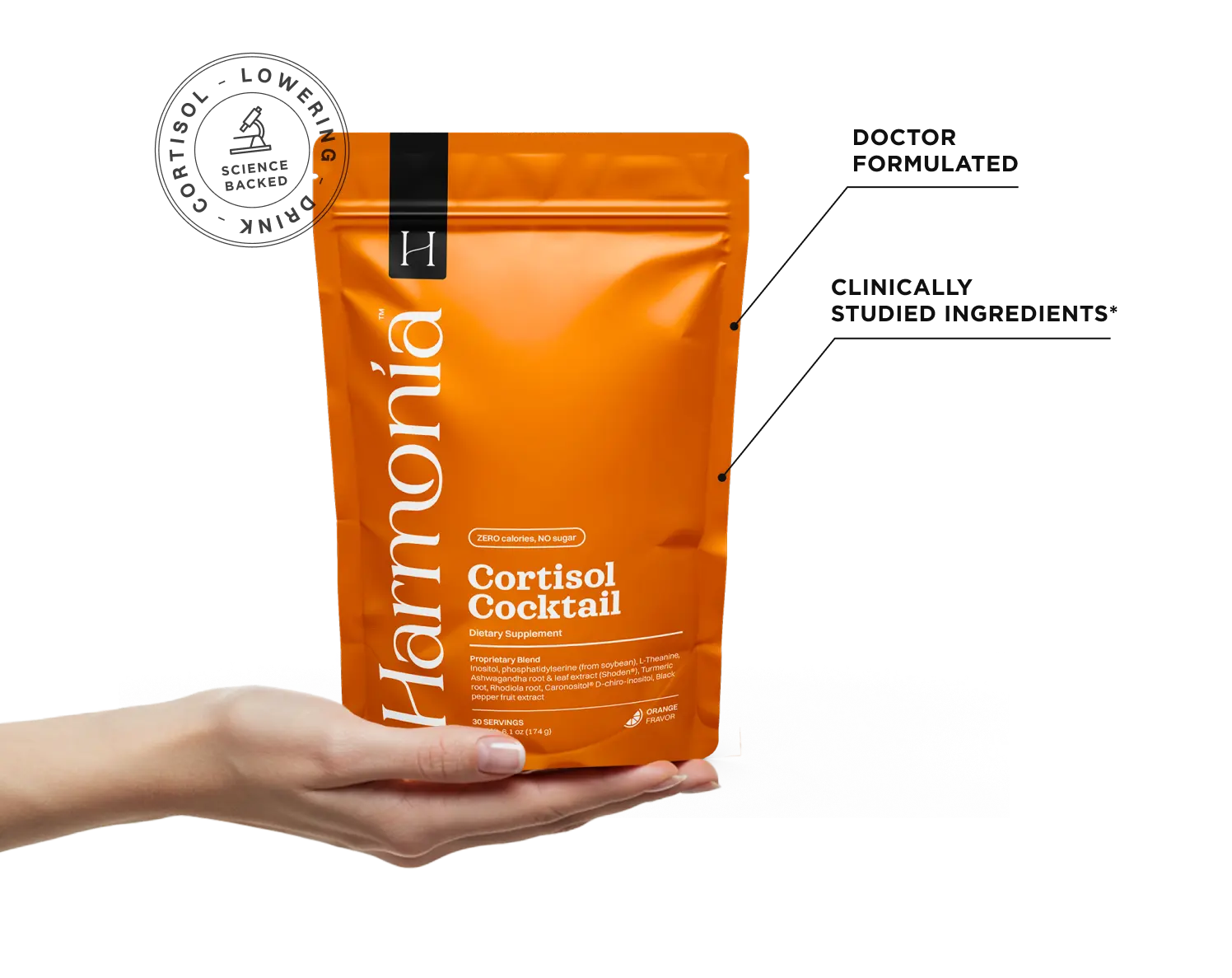
Harmonia combines several of these clinically studied ingredients into a single daily formula designed to support cortisol balance, mood stability, insulin sensitivity, and restorative sleep.
Conclusion
High cortisol in women doesn’t come from a single cause - it’s usually a combination of emotional stress, hormonal shifts, sleep issues, blood sugar instability, and environmental pressures.
The good news is that cortisol is highly responsive to lifestyle changes, nervous system support, balanced nutrition, and targeted supplementation.
When women understand their stress patterns, they can start making changes that bring their bodies back into balance - improving energy, mood, sleep, metabolism, and overall well-being.
If you want more clarity on what’s driving your symptoms, you can take the Harmonia Quiz to identify your cortisol patterns and receive personalized recommendations.
References
- Bachour, G., Samir, A., Haddad, S., Houssaini, M. A., & El Radad, M. (2025). Effects of Ashwagandha Supplements on Cortisol, Stress, and Anxiety Levels in Adults: A Systematic Review and Meta-Analysis. BJPsych Open, 11(S1), S39-S39. Link.
- Chiu, D. T., Parker, J. E., Wiley, C. R., Epel, E. S., Laraia, B. A., Leung, C. W., & Tomiyama, A. J. (2024). Food insecurity, poor diet, and metabolic measures: The roles of stress and cortisol. Appetite, 197, 107294. Link.
- Hidese, S., Ogawa, S., Ota, M., Ishida, I., Yasukawa, Z., Ozeki, M., & Kunugi, H. (2019). Effects of L-theanine administration on stress-related symptoms and cognitive functions in healthy adults: a randomized controlled trial. Nutrients, 11(10), 2362. Link.
- Lundberg, U., & Hellström, B. (2002). Workload and morning salivary cortisol in women. Work & Stress, 16(4), 356-363. Link.
- O’Connor, D. B., Hendrickx, H., Dadd, T., Elliman, T. D., Willis, T. A., Talbot, D., ... & Dye, L. (2009). Cortisol awakening rise in middle-aged women in relation to psychological stress. Psychoneuroendocrinology, 34(10), 1486-1494. Link.