Many individuals experience moments where their belly seems to change shape overnight - sometimes swollen and tight, other times thicker or heavier.
The confusion between hormonal belly bloating vs fat is extremely common, especially among women navigating stress, hormonal shifts, perimenopause, PCOS, thyroid changes, or disrupted sleep.
Bloating and belly fat are driven by different internal mechanisms, but both are strongly connected to hormones - especially cortisol.
Distinguishing between them is the first step toward choosing the right approach for relief, weight loss progress, and long-term hormonal balance.
This comprehensive guide breaks down the differences clearly and provides evidence-based steps to help you understand what your body is trying to tell you.
What Is Hormonal Belly Bloating?
Hormonal belly bloating is temporary abdominal expansion caused by digestive changes, water retention, and hormonal fluctuations - primarily estrogen, progesterone, and cortisol.
Estrogen can cause the body to hold onto water, while progesterone slows digestion, leading to a feeling of fullness or heaviness.
Cortisol, the stress hormone, can also disrupt gut mobility, making digestion sluggish and increasing gas buildup. These hormonal influences explain why bloating is especially common:
- Before menstruation
- During times of high stress
- After certain meals or ingredients
- When sleep becomes inconsistent
Bloating often feels uncomfortable: pressure, tightness, or a “balloon-like” sensation. And unlike fat, its appearance changes throughout the day - one of the clearest indicators that hormones and digestion are at play.
What Is Hormonal Belly Fat?

Hormonal belly fat refers to abdominal fat that accumulates because of hormonal imbalance rather than simple calorie excess.
This type of fat is typically visceral fat, located deep around internal organs, and is strongly influenced by:
Cortisol
Chronic elevation encourages fat storage in the midsection, increases appetite - especially for carbs - and makes fat loss more difficult.
Insulin Resistance
When cells stop responding efficiently to insulin, the body stores more glucose as fat. The belly is often the first place affected.
Estrogen Decline
During perimenopause and menopause, lower estrogen shifts fat storage from the hips and thighs toward the abdomen.
Thyroid Function
Low thyroid activity slows metabolism, increases fatigue, and can result in weight gain around the midsection.
Hormonal belly fat does not shift daily. It accumulates gradually and remains consistent regardless of digestion or time of day, making its pattern very different from bloating.
Hormonal Belly Bloating vs Fat: Key Differences
Physical Signs Differences
Why Hormones Play Such a Big Role in Belly Changes
The abdomen is one of the most hormonally sensitive areas of the female body. Even small hormonal fluctuations can change digestion, metabolism, or fat storage patterns.
- Estrogen regulates where fat is stored; progesterone influences gut speed
- Cortisol affects digestion, inflammation, cravings, and fat storage
- Insulin controls how the body processes carbohydrates
- Thyroid hormones influence metabolism as a whole
When these hormones fall out of balance the belly often reflects that imbalance first.
For many individuals, restoring hormonal balance is the key to reducing both bloating and stubborn belly fat.
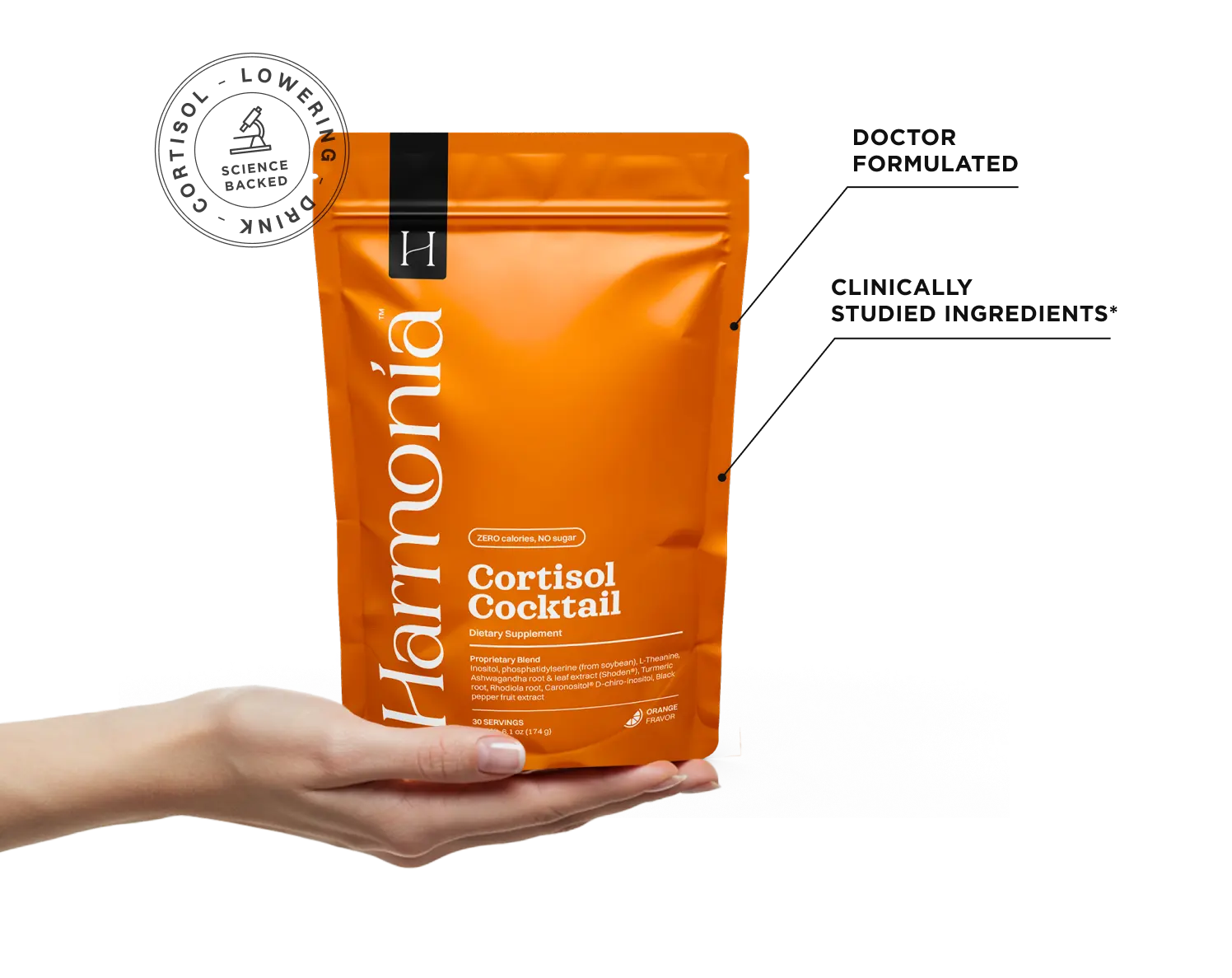
Harmonia supports this process by helping regulate cortisol, stabilize cravings, and improve sleep - all factors closely tied to hormone-related abdominal changes.
The Cortisol Connection: Stress, Bloating, and Belly Fat

Cortisol affects nearly every system involved in belly size. When it spikes, digestion slows, causing food to linger in the gut longer than usual. This can lead to bloating, discomfort, gas, and visible distention.
High cortisol also increases water retention, adds to feelings of fullness, and intensifies the pressure many individuals feel in their abdomen.
Beyond digestion, cortisol has a strong metabolic influence. Persistently elevated levels encourage the body to store fat - particularly visceral fat, which accumulates in the midsection.
Those dealing with long-term stress frequently report cravings, disrupted sleep, mood swings, and difficulty losing weight, all of which make hormonal belly fat more likely.
Managing cortisol is one of the most effective ways to improve belly symptoms.
Common Triggers That Worsen Hormonal Bloating
Hormonal bloating often has multiple triggers working together. Understanding these helps you identify patterns and find relief faster.
Food Intolerances
When the gut reacts negatively to ingredients like dairy, gluten, or artificial sweeteners, it can produce excess gas and inflammation.
High-FODMAP foods - such as onions, beans, and garlic - are also frequent triggers, especially in individuals with sensitive digestion.
High-Sodium Meals
Salt draws water into the tissues. If estrogen levels are already elevated or cortisol is high, sodium-heavy meals can create dramatic bloating.
Many restaurant foods and packaged snacks contain hidden sodium.
Menstrual Cycle Phases
During the luteal phase, estrogen peaks and progesterone slows digestion. This combination creates the perfect storm for bloating, constipation, and water retention.
For many women, bloating can last 5–10 days before a period.
Gut Microbiome Imbalance
An imbalanced microbiome can lead to excess fermentation, gas production, and unpredictable digestion.
Stress, antibiotics, travel, and poor sleep can all disrupt gut flora, making bloating more likely.
Stress and Sleep Deprivation
Stress activates the sympathetic nervous system, slowing digestion and altering gut contractions.
Poor sleep has a similar effect because it raises cortisol, destabilizes blood sugar, and increases inflammation.
Many individuals experience bloating the day after a stressful event or a night of poor sleep.

Common Triggers That Increase Hormonal Belly Fat
Hormonal belly fat tends to accumulate gradually and requires long-term solutions. Understanding the root causes helps you address stubborn fat more effectively.
Chronic High Cortisol
Prolonged stress prompts the body to store fat in the abdomen for protection during perceived threats.
It increases appetite - especially cravings for sugary or high-carb foods - and decreases motivation for activity. Over time, this leads to measurable fat accumulation.
Insulin Resistance
When insulin cannot efficiently move glucose into cells, excess glucose is stored as fat.
This process often begins subtly with cravings, energy crashes, and difficulty losing weight, especially around the stomach.
Women with PCOS or high-stress lifestyles are more susceptible.
Perimenopause and Menopause
As estrogen levels shift, the body redistributes fat toward the midsection. Even women who have never carried belly fat before may notice their waist thickening.
Combined with lower progesterone, sleep changes, and slower metabolism, this can significantly increase hormonal belly fat.
Emotional Eating
Stress increases hunger hormones, making comfort foods more appealing.
Over time, emotional eating contributes to elevated insulin, increased caloric intake, and abdominal fat growth.
Many individuals find that nighttime emotional eating is the biggest driver of midsection weight gain.
Low Activity Levels

Strength training and movement help regulate insulin and cortisol while boosting metabolism.
Sedentary routines decrease muscle mass and make hormonal belly fat harder to lose, even with calorie restriction.
Disrupted Sleep
Sleep directly influences cortisol, insulin sensitivity, appetite, and inflammation.
Those who frequently experience insomnia, nighttime awakenings, or non-restorative sleep often struggle with stubborn belly fat, no matter how disciplined their diet is.
How to Reduce Hormonal Belly Bloating Fast
Hydration, anti-inflammatory foods, gentle movement, and stress reduction are the fastest ways to ease bloating.
Warm liquids support digestive motility, while potassium-rich foods help balance sodium. Identifying and avoiding personal food triggers can also reduce sudden bloating episodes.
Calming the nervous system is essential. When cortisol settles, digestion improves, gas moves more easily, and bloating decreases naturally.
Supporting the digestive system with fiber, lean proteins, and regular meal timing also helps reduce flare-ups.
How to Reduce Hormonal Belly Fat Safely and Effectively
Addressing hormonal belly fat requires routine, not quick fixes.
Improving sleep, regulating cortisol, increasing muscle mass, and stabilizing blood sugar are the most effective long-term strategies.
Strength training helps reset metabolic patterns, while higher-protein meals support satiety and fat loss.
Reducing added sugars and refined carbohydrates helps control insulin responses. At the same time, supporting stress resilience through adaptogens, mindfulness, and predictable routines helps the body transition out of fat-storage mode.
Harmonia’s cortisol-balancing ingredients offer support by helping reduce cravings, improving sleep quality, enhancing mood stability, and promoting better metabolic patterns - key components in long-term belly fat reduction.
Conclusion
Once you know whether your belly changes are caused by hormonal bloating or hormonal belly fat, you can choose the right steps to finally feel in control again.
Bloating is often linked to digestion, water retention, and short-term hormonal shifts, while belly fat stems from deeper cortisol or metabolic imbalances.
Addressing stress, sleep, and hormonal health is the foundation for both. When cortisol is regulated, digestion becomes smoother, cravings decrease, sleep improves, and fat storage becomes easier to reverse.
If you're not sure where your symptoms fit - or which hormones are most involved - Harmonia’s personalized quiz can help you understand your patterns and find a path toward more balanced energy, smoother digestion, and a more comfortable waistline.
References
- Malagelada, J. R., Accarino, A., & Azpiroz, F. (2017). Bloating and abdominal distension: old misconceptions and current knowledge. Official journal of the American College of Gastroenterology| ACG, 112(8), 1221-1231. Link.
- Varney, J., Barrett, J., Scarlata, K., Catsos, P., Gibson, P. R., & Muir, J. G. (2017). FODMAPs: food composition, defining cutoff values and international application. Journal of gastroenterology and hepatology, 32, 53-61. Link.