Trying to figure out how to lose weight with PCOS can feel discouraging. You follow the meal plans, increase workouts, cut calories - and still see minimal progress. Meanwhile, standard weight loss advice seems to work for everyone else.
The truth is, PCOS changes how your metabolism functions at a hormonal level.
Polycystic Ovary Syndrome is not simply a reproductive issue. It is a metabolic and endocrine condition that affects insulin, stress hormones, inflammation, and fat storage.
When these systems are disrupted, the body becomes resistant to traditional dieting methods. This is why crash diets often make symptoms worse instead of better.
If you want sustainable results, the goal is not extreme restriction. The goal is restoring balance.
Why Is It So Hard to Lose Weight with PCOS?
Weight gain with PCOS is not about lack of discipline. It is about biology. Hormonal imbalances create an internal environment that promotes fat storage and makes fat breakdown more difficult. When insulin and cortisol are elevated at the same time, the body prioritizes survival over fat loss.
Many women with PCOS experience persistent cravings, fatigue, poor sleep, and mood swings. These symptoms are not random. They are signals that the endocrine system is under strain.
When stress hormones rise and blood sugar fluctuates, the brain increases hunger signals - especially for quick carbohydrates.
Understanding the root causes behind losing weight with PCOS removes self-blame. It shifts the focus from “eat less” to “regulate hormones.” Once you address the metabolic drivers, your efforts start working with your body instead of against it.
Insulin Resistance and PCOS Weight Gain
Insulin resistance is one of the most common drivers of PCOS weight gain. When cells stop responding properly to insulin, the pancreas produces more of it to compensate. Elevated insulin levels send a strong signal to store fat, particularly around the abdomen.
High insulin also increases androgen production from the ovaries. Elevated androgens contribute to acne, hair changes, and central weight gain. This hormonal cascade explains why belly fat is especially common in PCOS.
Over time, insulin resistance can lead to additional complications such as prediabetes or type 2 diabetes if not addressed. Signs that insulin may be elevated include:
- Strong carb cravings
- Afternoon energy crashes
- Difficulty losing belly fat
- Darkened skin patches (acanthosis nigricans)
Improving insulin sensitivity is not about eliminating all carbohydrates. It is about improving how your body responds to them. Balanced meals, strength training, sleep quality, and targeted nutrients can dramatically shift insulin function.
High Cortisol and Chronic Stress

Cortisol is often overlooked in discussions about PCOS weight loss. This stress hormone plays a major role in blood sugar regulation and fat distribution. When cortisol remains elevated for long periods, it promotes abdominal fat storage and worsens insulin resistance.
Chronic stress can be physical, emotional, or metabolic. Overtraining, severe calorie restriction, sleep deprivation, and constant mental stress all elevate cortisol. Unfortunately, many traditional diet strategies increase stress rather than reduce it.
Common signs cortisol may be interfering with your progress include:
- Feeling “wired but tired”
- Restless or light sleep
- Evening cravings
- Anxiety or irritability
- Stubborn midsection weight
Lowering cortisol is not about eliminating stress completely. It is about improving your resilience to it. Nutritional support, nervous system regulation, and proper recovery can gradually restore balance.
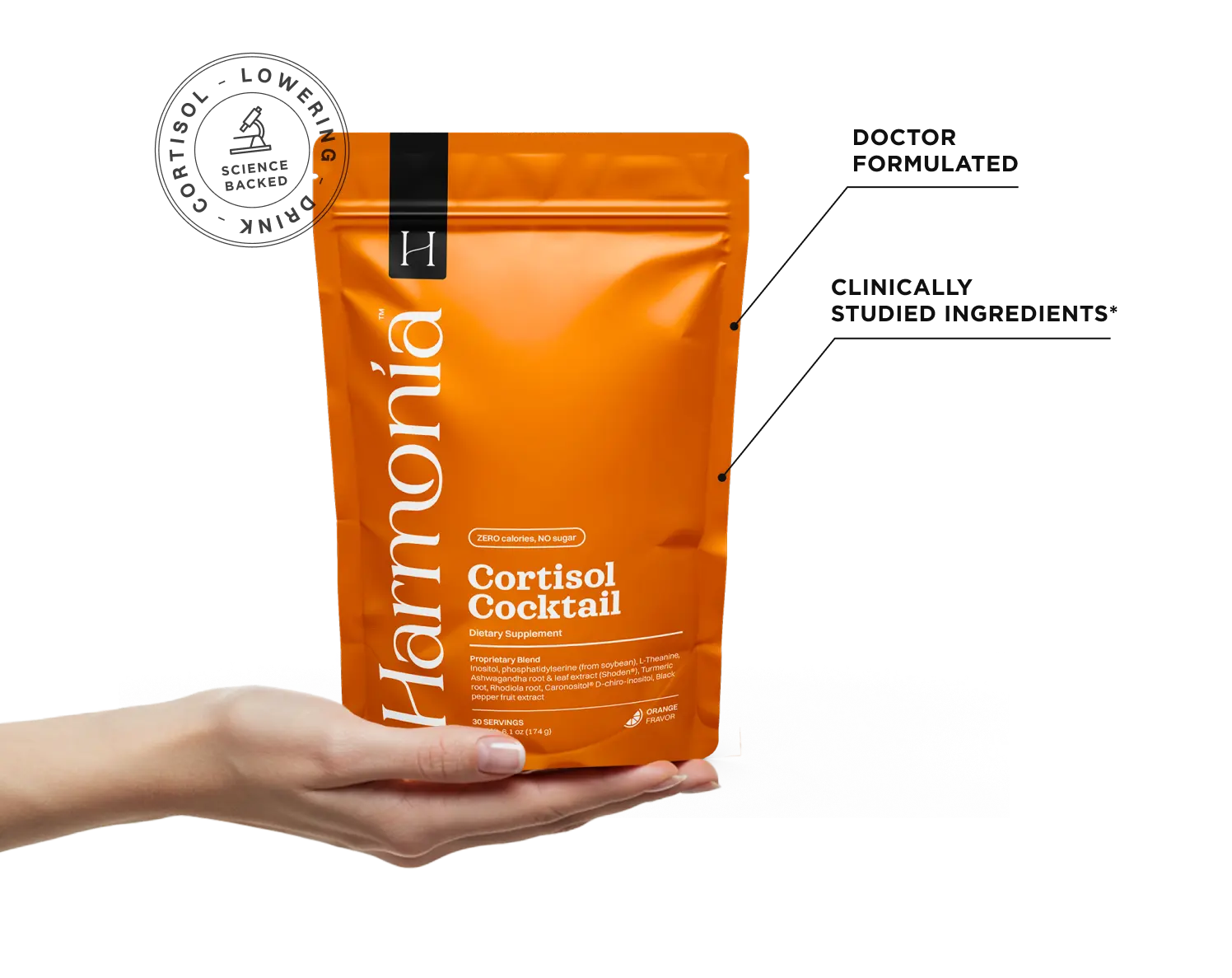
This is one reason Harmonia, which combines adaptogens and cortisol-support nutrients, is often used alongside lifestyle changes to address stress-related metabolic barriers.
Hormonal Imbalance (Androgens, Estrogen, Progesterone)
PCOS disrupts the communication between the brain and ovaries. Ovulation may become irregular, which alters progesterone levels. Estrogen and androgen levels may fluctuate unpredictably, influencing appetite, mood, and fat distribution.
Elevated androgens are strongly associated with central weight gain. At the same time, low progesterone can increase anxiety and sleep disturbances, which indirectly affect cortisol and insulin.
Thyroid function can also overlap with PCOS symptoms. Subtle thyroid dysfunction may slow metabolism and contribute to fatigue. Because hormones operate as a network, addressing one pathway often improves others.
Supporting overall hormonal stability requires patience. It involves stabilizing blood sugar, lowering inflammation, reducing stress, and ensuring adequate nutrient intake. Weight loss becomes sustainable when these hormonal signals normalize.
Can You Lose Weight with PCOS?
Yes, PCOS weight loss is absolutely possible, but it requires a different strategy. Instead of focusing solely on calories, the focus should be metabolic repair. When insulin sensitivity improves and cortisol levels stabilize, fat loss becomes far more responsive.
Extreme dieting often backfires. Severe restriction increases cortisol, lowers thyroid output, and increases hunger hormones. This creates a cycle of restriction followed by intense cravings.
A smarter approach prioritizes:
- Blood sugar stability
- Stress regulation
- Strength training
- Adequate protein intake
- Consistent sleep
When these pillars are in place, the body feels safe enough to release stored fat. Sustainable results come from consistency, not extremes.
Step 1 – Stabilize Blood Sugar First
Blood sugar balance is the foundation of learning how to lose weight with PCOS effectively. When glucose spikes frequently, insulin remains elevated, blocking fat burning.
Instead of eliminating carbohydrates, focus on quality and timing. Choosing complex carbohydrates and pairing them with protein significantly improves insulin response.
Protein should anchor every meal. Aim for at least 20–30 gr per serving to support blood sugar control and muscle maintenance. Protein reduces post-meal glucose spikes and improves fullness.
Fiber intake is equally important. Vegetables, legumes, and whole foods slow carbohydrate absorption and improve gut health. A healthy gut microbiome further supports insulin sensitivity and inflammation control.
Healthy fats such as olive oil, avocado, nuts, and seeds enhance satiety and reduce cravings. They also support hormone production. Avoiding highly processed foods reduces inflammatory stress on the body.
Foods That Support Insulin Sensitivity

Improving insulin sensitivity starts with prioritizing whole, minimally processed foods that stabilize blood sugar and reduce inflammation. Below is a practical list you can easily reference when planning meals:
Leafy Greens
- Spinach
- Kale
- Arugula
- Swiss chard
- Romaine lettuce
Cruciferous Vegetables
- Broccoli
- Cauliflower
- Brussels sprouts
- Cabbage
- Bok choy
Omega-3 Rich Foods
- Salmon
- Sardines
- Mackerel
- Flaxseeds
- Chia seeds
- Walnuts
Low-Glycemic Fruits
- Blueberries
- Raspberries
- Strawberries
- Blackberries
- Green apples
- Pears
High-Fiber Carbohydrates
- Lentils
- Chickpeas
- Black beans
- Quinoa
- Steel-cut oats
- Sweet potatoes
Healthy Fats
- Avocado
- Extra virgin olive oil
- Almonds
- Pumpkin seeds
- Sunflower seeds
Protein Sources
- Eggs
- Chicken breast
- Turkey
- Greek yogurt
- Tofu
Anti-Inflammatory Spices
- Turmeric
- Cinnamon
- Ginger
- Garlic
Pairing these foods strategically - protein + fiber + healthy fat - helps reduce glucose spikes and supports more stable insulin levels, which is essential for PCOS weight management.

Myo-Inositol and D-Chiro Inositol for PCOS Weight Loss
Inositols are among the most studied compounds for PCOS support. They act as insulin-sensitizing agents and help improve ovarian signaling.
Myo-Inositol supports glucose uptake at the cellular level, while D-Chiro Inositol influences androgen balance. Together, they improve ovulatory function and metabolic stability.
Consistent use has been associated with:
- Improved insulin sensitivity
- Reduced androgen levels
- More regular cycles
- Improved energy stability
While supplements are not magic solutions, they can reinforce lifestyle changes when used strategically.
Harmonia incorporates ingredients such as Myo-Inositol, D-Chiro Inositol, turmeric, and magnesium to complement dietary efforts aimed at improving insulin function.
Step 2 – Lower Cortisol to Unlock Fat Loss
Stress management is often underestimated in PCOS weight loss, yet it plays a central role in metabolic health. Elevated cortisol signals the body to store fat, particularly around the abdomen, while also making it harder to break down existing fat stores.
Sleep deprivation is one of the most powerful cortisol triggers. Even a few nights of poor-quality sleep can increase hunger hormones, reduce insulin sensitivity, and intensify cravings for sugar and refined carbohydrates.
Many women trying to lose weight with PCOS focus heavily on diet and exercise while overlooking the hormonal impact of poor sleep and ongoing stress.
The goal is to improve how your nervous system responds to stress. When cortisol levels become more regulated, the body feels safe enough to release stored fat and stabilize appetite.
The following approaches help reduce chronic stress signals and support metabolic balance:
- Prioritize consistent sleep timing (aim for 7–9 hours nightly)
- Create a wind-down routine before bed (dim lights, limit screens)
- Get morning sunlight exposure to regulate circadian rhythm
- Practice slow breathing or breathwork for 5–10 minutes daily
- Incorporate gentle movement such as walking or yoga
- Avoid excessive high-intensity cardio if already stressed
- Strength train 2–4 times per week without overtraining
- Eat balanced meals to prevent blood sugar crashes
- Reduce caffeine intake if experiencing anxiety or poor sleep
- Schedule true recovery days during the week
- Set boundaries around work and digital stimulation
Best Exercise Strategy for PCOS Weight Loss

Exercise with PCOS should improve metabolism without overstressing the body. Too much high-intensity cardio or daily intense workouts can elevate cortisol. When cortisol rises, fat loss slows and cravings increase.
The goal is to build muscle, improve insulin sensitivity, and support recovery. Shorter, focused workouts performed consistently are more effective than extreme routines.
Strength training is especially powerful for PCOS weight loss. Building muscle helps your body pull glucose out of the bloodstream more efficiently. This improves insulin response and increases resting metabolic rate.
Even 2–4 sessions per week can create significant hormonal benefits.
Exercises That Support PCOS Weight Loss
Strength Training (2–4x per week)
- Squats (bodyweight or weighted)
- Deadlifts
- Lunges
- Glute bridges or hip thrusts
- Push-ups
- Dumbbell rows
- Shoulder presses
- Resistance band exercises
These compound movements activate large muscle groups and enhance insulin sensitivity.
Low-Impact Cardio (most days of the week)
- Brisk walking (20–45 minutes)
- Incline treadmill walking
- Cycling at a moderate pace
- Swimming
- Hiking
Low-impact cardio supports fat oxidation without significantly increasing stress hormones.
Stress-Reducing Movement
- Yoga (restorative or slow flow)
- Pilates
- Stretching routines
- Mobility work
- Light dance sessions
These forms of movement calm the nervous system while keeping the body active.
A balanced plan includes strength training, daily movement, and proper recovery. When exercise lowers stress instead of raising it, PCOS weight loss becomes more sustainable and far less exhausting.
Conclusion
Learning how to lose weight with PCOS means shifting away from crash dieting and toward hormonal balance. Stabilizing blood sugar, lowering cortisol, prioritizing sleep, and building muscle create an environment where fat loss becomes possible.
Progress may feel slower at first because the goal is internal repair. But once insulin sensitivity improves and stress hormones stabilize, results become more sustainable and far less exhausting.
If stress, cravings, and poor sleep are blocking your progress, addressing cortisol alongside insulin may be the missing piece. Harmonia was formulated to support hormonal balance, stress resilience, and metabolic stability in one comprehensive approach.
References
- Diamanti-Kandarakis, E., & Christakou, C. D. (2009). Insulin resistance in PCOS. Diagnosis and management of polycystic ovary syndrome, 35-61. Link.
- Hoeger, K. (2001). Obesity and weight loss in polycystic ovary syndrome. Obstetrics and gynecology clinics of North America, 28(1), 85-97. Link.
- Larner, J. (2002). D‐chiro‐inositol–its functional role in insulin action and its deficit in insulin resistance. Journal of Diabetes Research, 3(1), 47-60. Link.