You've been cutting back, reading labels, and genuinely trying. But the scale isn't cooperating, and you're starting to wonder if something specific in your diet is working against you.
It might be. Certain foods make weight loss significantly harder because of what they do physiologically once you eat them. They disrupt hunger hormones, spike blood sugar, drive cravings, and make it much harder to stay in a calorie deficit.
Quick answer
The foods that most consistently block weight loss are sugary drinks, refined grains, ultra-processed snacks, flavored yogurts, and alcohol. What they share: they spike blood sugar quickly, suppress satiety signals, and return hunger faster than the calories they delivered should explain. The mechanism matters as much as the food itself.
This article covers 15 of them, the mechanism behind each one, and what to swap in instead.
Why some foods make weight loss harder
Calories matter, but they don't explain everything. Two people eating the same number of calories can have very different hunger levels throughout the day, depending entirely on what those calories came from.
The main issue is blood sugar instability. Foods with a high glycemic load spike blood sugar quickly, and when it drops (which it does, fast), hunger rebounds harder than before. You end up eating more at the next meal to compensate.
The second mechanism is satiety hormone disruption. Ghrelin signals hunger. Leptin signals fullness. Ultra-processed foods are engineered in ways that suppress the leptin signal and keep ghrelin elevated.
Your body keeps telling you it's hungry because the food you ate didn't register as a proper meal.
A third factor worth understanding is cortisol. Chronic stress keeps cortisol elevated, which specifically increases cravings for high-sugar and high-fat foods, separate from actual physiological hunger.
Many of the foods that make weight loss hardest are also the same foods cortisol drives you toward under stress. The full list of foods that raise cortisol and spike stress overlaps significantly with the list below, and understanding that connection explains a lot about why cravings feel impossible to resist on hard days.

15 foods to avoid when trying to lose weight
1. Sugary drinks (soda, juice, and energy drinks)
Liquid calories are the single most well-supported category to limit. Research consistently shows they don't trigger the same satiety response as solid food.
Your body doesn't register them the same way, so you consume hundreds of calories and remain just as hungry as before. Liquid calories and satiety research has documented this gap for decades.
Fruit juice deserves a specific mention here. It's marketed as healthy, and in small amounts it provides some nutrients. But a glass of orange juice has roughly the same sugar content as a glass of Coke, with very little of the fibre that slows absorption in a whole orange.
Swap for sparkling water, herbal tea, or water with cucumber and lemon.
2. White bread and refined grain products
White bread has a high glycemic index. It digests quickly, spikes blood sugar fast, and returns hunger within 90 minutes for most people. The fibre has been stripped out during processing, which is what would otherwise slow digestion and extend satiety.
Whole grain bread, sourdough, or rye bread are the easy swaps. Your body processes them more slowly, which is the whole point.
3. Flavored yogurt with added sugar
This one catches people off guard. Many flavored yogurts marketed as healthy or "light" contain 18–25 grams of added sugar per serving, close to half the daily recommended limit according to the 2025 dietary guidelines on added sugar.
The sugar spike disrupts blood sugar and doesn't extend satiety the way protein does. Plain Greek yogurt with fresh fruit gives you the protein, the probiotics, and the natural sweetness without the added sugar load.

4. Sweetened breakfast cereals
Starting the day with a blood sugar spike and almost no protein sets you up to be hungry by 10am (which is common for a lot of people, and now you know why). Most sweetened cereals have minimal fibre and protein, the two nutrients most responsible for keeping hunger at bay after a meal.
Look for cereals with at least 5 grams of fibre and under 6 grams of sugar per serving. Eggs, oats, or Greek yogurt with fruit are reliable alternatives that keep hunger stable through the morning.
5. Alcohol
Calorie density is part of the problem: at 7 calories per gram (compared to 4 for carbohydrates and protein), alcohol adds up fast. It also lowers inhibitions around food choices and disrupts sleep quality significantly.
Poor sleep is one of the most reliable ways to drive elevated ghrelin the next day.
Chronic heavy alcohol use raises cortisol directly, which worsens stress-related cravings. If you're going to drink, lower-sugar options like dry wine or spirits with soda water are better choices than beer or sweetened cocktails. Frequency matters more than the occasional glass.
6. Ultra-processed snack foods (chips, crackers, packaged cookies)
Ultra-processed foods are often formulated to be highly palatable, which can make it easier to overeat and harder to rely on natural fullness cues.
In a 2019 randomized controlled trial on ultra-processed diets and calorie intake, researchers found that participants consumed significantly more calories when eating an ultra-processed diet compared with an unprocessed diet, even when meals were matched for presented calories, sugar, fat, sodium, fiber, and macronutrients.
The palatability engineering is real. These products are built to make you want more. For what to reach for instead, the guide to weight loss snacks that keep you full longer covers options that actually register as food and hold hunger between meals.
7. Pastries, cookies, and cakes
Refined flour, added sugar, and saturated fat combine in a way that is uniquely disruptive to satiety. The calorie density is high, the fibre content is low, and the blood sugar response is significant.
Enjoying a pastry occasionally within a balanced diet won't derail anyone. The problem is frequency. Eating these foods daily makes maintaining a calorie deficit much harder. When you do indulge, oat-based options with some nut butter tend to land better physiologically.

8. Processed and deli meats
Hot dogs, sausages, salami, and deli slices are high in sodium and low in fibre. Sodium drives water retention and can trigger appetite signals independently of actual caloric need. They're also often paired with refined carbs (sandwich bread, crackers), which compounds the blood sugar effect.
Whole protein sources (eggs, chicken, canned salmon, legumes, cottage cheese) provide more satiety per calorie and are easier to build meals around.
9. Fast food and fried items
The core issue is calorie density relative to volume and satiety. Fast food meals pack a lot of calories into food that digests quickly, with low fibre. You eat fast, don't register fullness well, and are looking for more food within a couple of hours.
When fast food is unavoidable, higher-protein options (grilled chicken, eggs) with a side salad meaningfully change the satiety equation. It works better than you'd expect.
10. Sweetened coffee drinks
A large flavored latte from most cafés contains 400–600 calories and 50 or more grams of sugar. That's a full meal's worth of calories in liquid form, with none of the satiety. People who drink one of these daily are often unaware of how significantly it's affecting their total intake.
Black coffee, Americanos, and cold brew are simple lower-calorie swaps. Replacing sugary coffee drinks with black coffee for weight loss may help reduce overall calorie intake while supporting metabolism and appetite control.
11. Ice cream and frozen desserts
The combination of fat and sugar in ice cream activates the brain's reward system in a way that bypasses normal fullness cues. This is the neurobiological reason portion control is genuinely harder here than with most other foods. Knowing that going in takes some of the frustration out of it.
I'm all about balance, so have the ice cream sometimes. Frozen fruit, Greek yogurt bark, or a small portion eaten with the rest of a meal (rather than on its own as a late-night snack) are all workable alternatives.
12. Flavored plant-based milks with added sugar
Oat milk, almond milk, and soy milk are all reasonable options in their unsweetened versions. The flavored or "original" varieties often contain 5–9 grams of added sugar per cup. For someone having two or three coffees a day, that's a meaningful daily sugar total that most people aren't tracking.
The fix is simple: buy unsweetened. The taste difference takes a few weeks to stop noticing, but most people stop noticing it entirely.
13. Granola and granola bars
Granola has one of the strongest health halos in packaged food. Most store-bought granola is 30–40% added sugar by weight and relatively low in protein. A 100-gram serving can contain as much added sugar as a candy bar, paired with a glycemic response that returns hunger quickly.
For granola bars: look for at least 10 grams of protein and under 8 grams of added sugar. Making your own with oats, nuts, seeds, and a small amount of honey lets you control what's actually in it.

14. White rice and refined pasta in large portions
These are low in fibre, which means they digest quickly and return hunger faster than whole-grain counterparts. Portion size matters a lot with both.
The fix is proportion, not elimination. A smaller serving alongside substantial protein and vegetables slows digestion enough to extend satiety considerably. Insulin sensitivity plays a role here too: when insulin signaling is working efficiently, blood sugar after a refined carbohydrate meal is better regulated.
15. Margarine and foods containing industrial trans fats
Partially hydrogenated oils appear in some margarines, packaged baked goods, and shelf-stable snack foods. Research links high trans fat intake to abdominal fat accumulation and systemic inflammation, both of which make weight management harder over time.
Read ingredient labels. If you see "partially hydrogenated oil" anywhere in the list, the product contains trans fats regardless of what the front label says. Olive oil, avocado, and small amounts of real butter are meaningfully better options.
What to eat instead
The foods that support weight loss share two traits: they're high in protein or fibre (ideally both), and they slow digestion enough to extend satiety past the next meal.
Practically: eggs, plain Greek yogurt, legumes, canned fish, chicken, vegetables, oats, whole fruit, nuts, and seeds in reasonable portions. These aren't exciting answers, but they're consistent ones.
Building meals around protein and fibre, rather than around a carbohydrate with protein added as an afterthought, is the structural change that makes the biggest difference for most people.
A note on restriction
None of the 15 foods on this list need to be permanently off the table. Evidence-based dietitians focus on frequency and context, and that's how I work with my clients too.
The research says frequent, high-volume consumption of foods that disrupt blood sugar and satiety hormones makes weight management significantly harder. Frequency and context are what matter.
Where things get genuinely complicated is when stress is the driving factor behind food choices. Cortisol actively increases cravings for high-sugar and high-fat foods through well-documented neurobiological pathways. Cortisol and appetite-related hormone research shows that higher cortisol predicts future weight gain and stronger cravings, independent of caloric intake. If you're making good food choices during calm periods but falling apart under stress, that's biology.
Chronic cortisol elevation is one of the primary physiological reasons food choices become harder under stress. When cortisol stays elevated, it increases appetite and drives preference for exactly the foods on this list: the high-sugar, high-fat, low-fibre ones.
_11zon.jpeg)
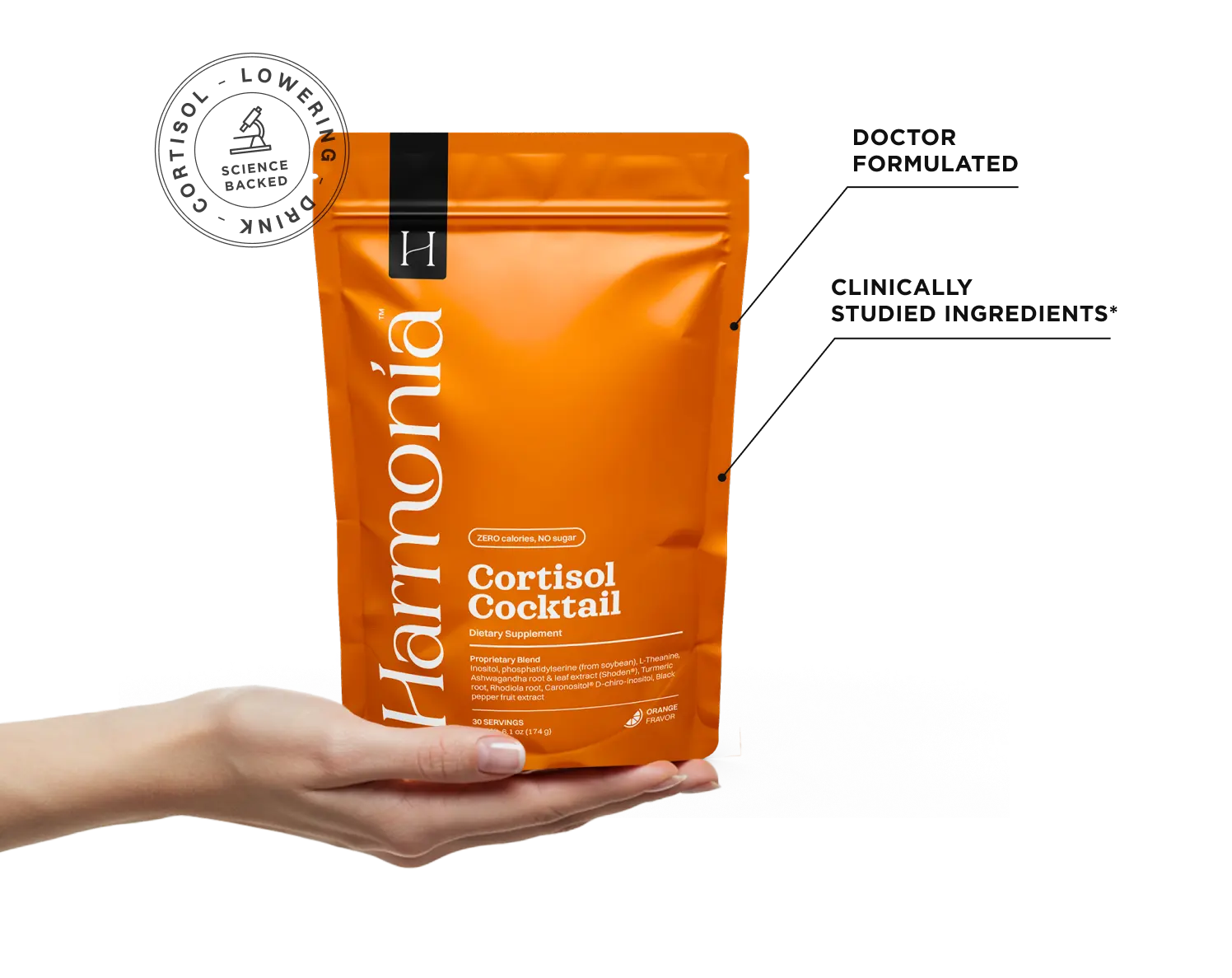
The Harmonia cortisol cocktail is formulated to address this layer. It combines Ashwagandha and Rhodiola Rosea, two adaptogens with clinical evidence for HPA axis regulation and cortisol reduction, with Myo-Inositol for insulin sensitivity and blood sugar stability. When cortisol and blood sugar are more regulated, hunger signals become clearer and food choices become less of a battle.
The bottom line
The foods covered here share a common profile: they spike blood sugar quickly, blunt satiety signals, and make it harder to stay in a calorie deficit, regardless of how much willpower you're applying.
Understanding the mechanism behind each one changes how the swap feels. You're making choices from how your body actually works, not from a list of rules someone handed you.
Stress and cortisol add a layer that food choices alone don't fix. If cravings for these foods intensify under pressure, that's the signal worth paying attention to.
Take the Harmonia quiz to find out how the cortisol cocktail can support your stress, blood sugar, and weight loss goals.
Frequently asked questions
What is the number one food to avoid for weight loss?
Sugary drinks. Liquid calories don't trigger the same satiety response as solid food, so you can consume several hundred calories without any reduction in hunger. Swapping sweetened beverages for water, sparkling water, or unsweetened tea is one of the highest-impact single changes most people can make.
What foods should I eat every day to lose weight?
Foods high in protein and fibre are the most consistent support for weight loss: eggs, plain Greek yogurt, legumes, chicken, canned fish, vegetables, oats, and whole fruit. They slow digestion, extend satiety, and regulate blood sugar in ways that refined foods don't. Building each meal around a protein source and a fibre source makes the biggest structural difference for most people.
Are carbs bad for weight loss?
The type of carbohydrate and the portion size matter more than the carbohydrate itself. Refined carbs like white bread and sweetened cereals spike blood sugar quickly and return hunger fast. High-fibre carbs (vegetables, legumes, whole grains) slow digestion and support longer satiety. Broad carbohydrate restriction isn't something most people need.
Can I lose weight without cutting out all these foods?
Yes. Weight loss doesn't require eliminating any food permanently. Reducing the frequency of high-sugar, low-fibre foods while increasing protein and fibre intake is enough to make a meaningful difference for most people.
Small, consistent changes in food quality tend to produce more durable results than hard rules that don't last.
How does stress affect food cravings and weight loss?
Chronic stress elevates cortisol, which increases appetite and specifically drives cravings for high-calorie, high-sugar foods, separate from actual hunger. Research shows elevated cortisol predicts greater weight gain over time and stronger cravings for the exact foods on this list.
Sleep and stress reduction make a real difference here. The Harmonia cortisol cocktail includes Ashwagandha, which has been shown in studies to help lower cortisol levels and reduce perceived stress, alongside Rhodiola Rosea and Myo-Inositol for blood sugar and hormonal balance.
References
- Mattes, R. D. (2006). Liquid calories and the failure of satiety: how good is the evidence? Obesity Reviews, 7(3), 219–230. Link
- Hall, K. D., et al. (2019). Ultra-processed diets cause excess calorie intake and weight gain: an inpatient randomized controlled trial of ad libitum food intake. Cell Metabolism, 30(1), 67–77. Link
- Chao, A. M., Jastreboff, A. M., White, M. A., Grilo, C. M., & Sinha, R. (2017). Stress, cortisol, and other appetite-related hormones: Prospective prediction of 6-month changes in food cravings and weight. Obesity, 25(4), 713–720. Link
- Chandrasekhar, K., Kapoor, J., & Anishetty, S. (2012). A prospective, randomized double-blind, placebo-controlled study of safety and efficacy of a high-concentration full-spectrum extract of ashwagandha root in reducing stress and anxiety in adults. Indian Journal of Psychological Medicine, 34(3), 255–262. Link
- Dietary Guidelines Advisory Committee. (2024). Scientific Report of the 2025 Dietary Guidelines Advisory Committee. U.S. Department of Agriculture and U.S. Department of Health and Human Services. Link